Guilford vs Roland Park vs Homeland: Choosing Your Neighborhood
March 24, 2026
March 24, 2026
Trying to choose between Guilford, Roland Park, and Homeland in North Baltimore? You are not alone. Each offers graceful streets, historic architecture, and a calm residential feel, yet the day-to-day experience can be quite different. In this guide, you will learn how each neighborhood took shape, what the homes and lots are like, how walkability and transit compare, and what covenants and approvals may mean for your plans. Let’s dive in.
These three neighborhoods share the same development lineage. The Roland Park Company planned them in the early 20th century and worked with the Olmsted firm to shape curving streets, green buffers, and lot patterns that respect the land. Guilford was marketed from about 1913 as a prestigious, carefully planned subdivision and is listed on the National Register as the Guilford Historic District. You can see that planning history in the National Register documentation for Guilford.
Roland Park is widely cited as an early American garden suburb. The design followed topography and integrated footpaths and landscaped street islands. The National Park Service overview of Roland Park highlights those choices and the neighborhood’s historic recognition.
Homeland came slightly later, planned by the Olmsted Brothers around the Perine estate. The plan emphasizes curving streets, shared open spaces, and six ornamental lakes that still define the neighborhood. The Homeland Association’s history outlines that evolution and its National Register context.
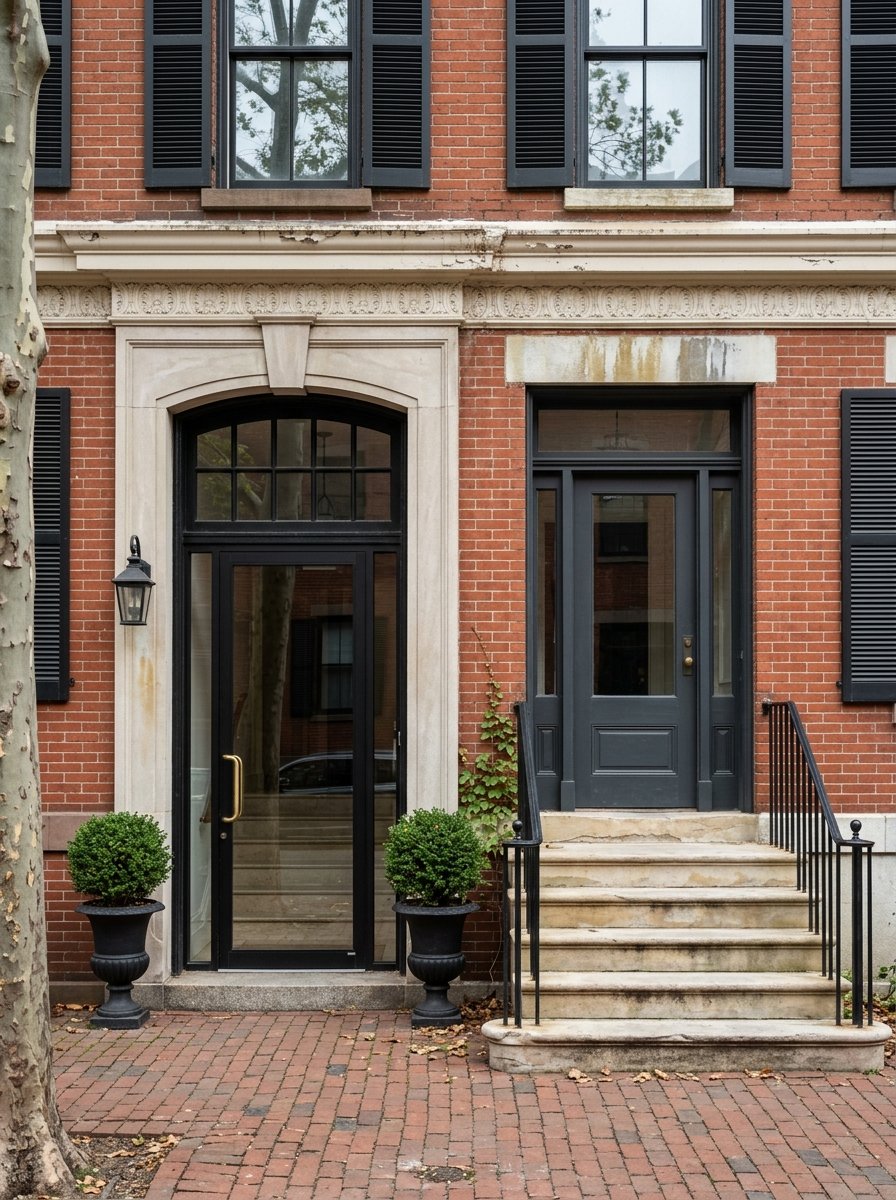
Across all three, you will notice early 20th-century revival styles, generous tree canopy, and a calm streetscape. Colonial and Georgian Revival, Tudor Revival, and English Country influences appear on many blocks. The National Register materials for Guilford note high-quality materials and consistent setbacks that anchor the look of many streets. Those themes echo throughout North Baltimore’s planned suburbs. See the Guilford district documentation for a sense of the overall design DNA.
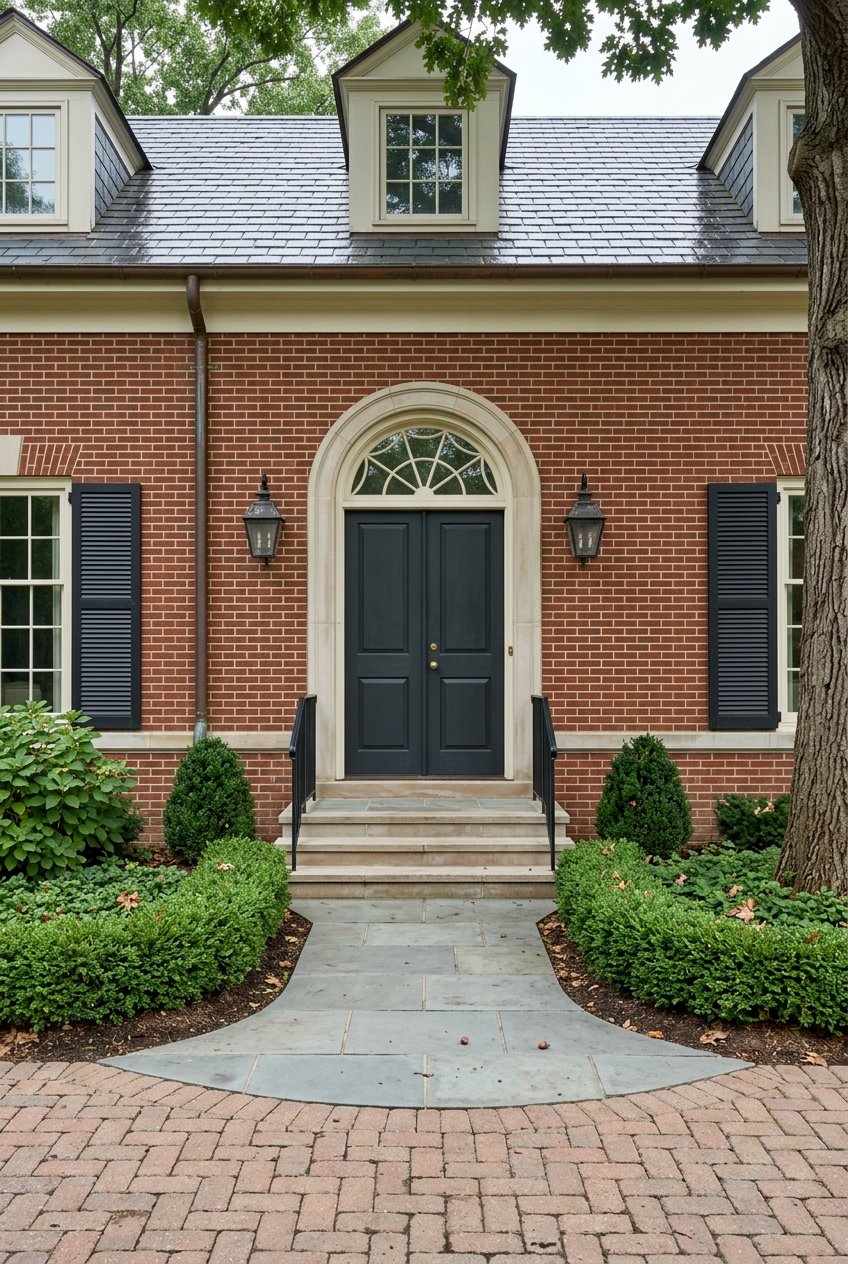
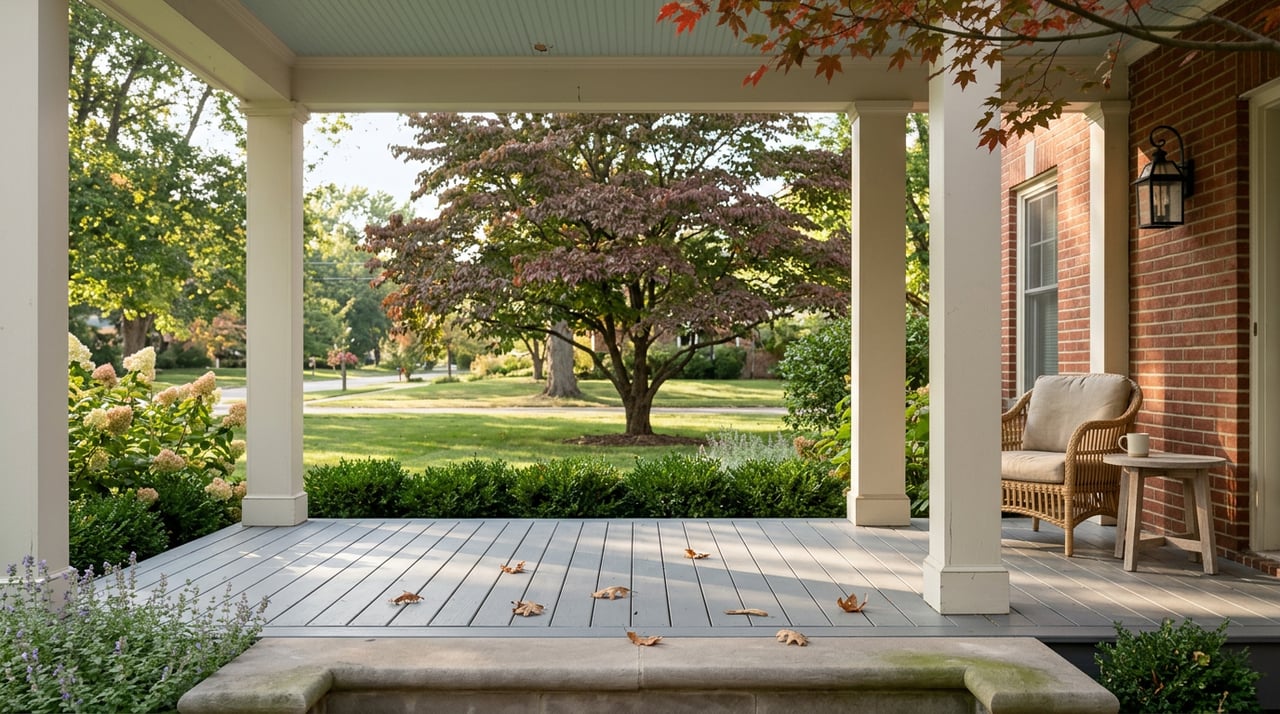
Guilford stands out for its larger, often formally landscaped lots and long front setbacks. Many homes were designed by prominent architects and built with stone or brick, with slate or terracotta roofs on many properties. Small park-like greens and curving loops soften the street grid. You also have a signature seasonal amenity in Sherwood Gardens, known for spring tulips and neighborhood events.
Roland Park blends grand single-family homes with more varied lot sizes that adapt to hills and slopes. A distinctive network of footpaths and landscaped islands shapes daily life and connects blocks in a way you do not often find elsewhere. The NPS summary of Roland Park notes these features, along with rear service lanes that keep front streets open and green.
Homeland’s curving streets frame the six ornamental lakes and shared open spaces. Many blocks include rear service lanes and preserved street trees, and the architecture mixes Georgian, Colonial, and Tudor-inspired styles. Lot sizes are substantial, though generally less uniform than Guilford’s largest parcels. The Homeland Association’s history explains how the lakes and commons were integrated from the start.
These neighborhoods were designed as residential enclaves, so they are green and lower density. A neighborhood-level snapshot shows Guilford and Roland Park in the “somewhat to moderately walkable” range, with Roland Park generally scoring slightly higher and Homeland a bit lower. For context, a sample shows Guilford around 62, Roland Park around 64, and Homeland around 59. Scores can vary greatly by block, so use an address-level check on Walk Score for Guilford and compare across the specific homes you tour.
Transit in North Baltimore runs along main corridors like York Road, Roland Avenue, and Northern Parkway. CityLink and LocalLink routes connect to downtown and other job centers. Service patterns evolve, so verify stops and timetables near the exact address on the Maryland Transit Administration site before you decide.
Retail is not concentrated inside the historic cores. Instead, you will find shopping and dining just outside the neighborhoods. Roland Park is adjacent to the Rotunda and Hampden’s Avenue corridor, which provide grocery and café options. A helpful local overview of the Rotunda’s modern retail role appears in The Daily Record’s coverage. In Guilford and Homeland, you will rely on nearby corridors like York Road for everyday needs.
You should expect three overlapping layers to consider: private deed covenants and architectural review, National Register listing and related tax-credit potential, and any local designations. The most direct requirements you will encounter come from recorded neighborhood covenants and architectural committees. The Guilford Architectural Guidelines describe the standard clearly and are a good model for what to expect.
Guilford requires written approval for most exterior work. The guidelines specify acceptable materials and methods. For example, slate or terracotta roofing is preferred and asphalt shingles are generally not permitted. Fences, windows, doors, and visible landscape changes all have standards. Review the Guilford Architectural Guidelines and request prior approval letters when you tour.
Roland Park’s covenants are tied to specific plats and enforced by neighborhood bodies, including Roland Park Roads & Maintenance. The covenant guide emphasizes protecting the park-like setting, footpaths, and lanes. It also notes that sympathetic, not strictly period-only, changes can be considered depending on the lot and plat. See the Roland Park covenant guide for how reviews work and what matters most.
Homeland has recorded covenants and requires written approvals for exterior modifications. Because the neighborhood is listed on the National Register, qualifying rehab work may be eligible for Maryland historic tax credits. These tax credits require pre-approval from the Maryland Historical Trust and are separate from association approvals. The Homeland Association’s tax credit page explains how owners have used state credits and what to verify.
Expect a higher bar for documentation, materials, and timing where architectural review applies. Guilford’s written standards limit modern substitute materials in many cases, which can increase costs and lead times for windows, roofing, or additions. Roland Park and Homeland also require applications for visible changes and closely protect lanes, paths, and landscape features. Plan for approval timelines in your budget and your move schedule. The Guilford guidelines are a helpful example of the level of detail to expect.
Use this neutral framework to compare fit:
Guilford: You value grand, formal lots, consistent streetscapes, and top-tier craftsmanship. You are comfortable with a detailed approval process for exterior projects and prefer a calm residential setting near Sherwood Gardens. See the area’s planning and architectural context in the Guilford National Register documentation.
Roland Park: You like a park-like setting with more variety in lot sizes and styles, plus an integrated network of footpaths and rear lanes. You want active covenant oversight with room for sympathetic updates. The NPS profile of Roland Park outlines these features.
Homeland: You want a cohesive plan centered on lakes and shared greens, with rear lanes and preserved street trees. You are open to association review and like the option to explore historic tax credits for qualifying projects. Read the Homeland history for how those elements came together.
Bring these address-level checks to every showing:
Each of these North Baltimore classics offers timeless architecture and a calm residential feel. The best choice comes down to how you live: your appetite for exterior review, your lot and streetscape preferences, and the address-level tradeoffs on walkability and transit. If you want a guided, neighborhood-savvy process and a clear plan for showings, covenants, and approvals, connect with Elise Brennan for a tailored consultation.
Experience unmatched dedication, market expertise, and a personalized approach to buying or selling your home. Since 2012, she has built a trusted reputation in the Baltimore metro area, forging strong community connections and delivering proven results. Whether you’re a buyer or seller, She combines strategic insight, local knowledge, and exceptional service to achieve your real estate goals.