Leave a Message

Thank you for your message. I will be in touch with you shortly.

Preparing A Ruxton Estate For A Successful Sale

February 5, 2026

Selling a Ruxton estate takes more than putting a sign in the yard. You are stewarding a property with history, scale, and special systems that buyers will look at closely. In this guide, you will learn exactly how to prepare your home for market so you protect value, attract qualified buyers, and move through the process with fewer surprises. Let’s dive in.

What Ruxton buyers expect

Ruxton draws buyers who value character, privacy, and livability. To meet expectations and command strong offers, focus on:

  • Mechanical systems that are well maintained: HVAC, roof, electrical, and plumbing.
  • Functional kitchens and bathrooms with quality finishes and good lighting.
  • Indoor–outdoor living: usable yards, patios, porches, and garden spaces.
  • Storage and flexible rooms for a home office or guest suite.
  • Preserved historic features, paired with modern conveniences like insulated or storm windows and efficient systems.
  • Curb appeal and mature landscaping that highlight privacy and scale.

Pre-list preparation priorities

Safety and systems first

  • Order a comprehensive pre-list inspection. Include specialty checks where relevant: roof, chimney, HVAC, pest, and septic or well if applicable. This identifies repair priorities and reduces inspection surprises.
  • Address safety and major-system items. Fix electrical hazards, active leaks, roof issues, HVAC failures, and significant drainage problems.
  • Prepare required disclosures. Homes built before 1978 require a lead-based paint disclosure. Gather any testing or mitigation records.
  • Document mechanicals. Organize service records, warranties, and manuals for buyers.
  • Verify permits on past work. Remedy unpermitted work where feasible or plan to disclose clearly.

Smart, light updates

  • Refresh the kitchen and primary bath for functionality. Replace worn cabinet doors or hardware, update lighting and fixtures, and address visibly worn counters or tile.
  • Neutralize and repair. Paint with neutral colors, patch plaster, and refinish or highlight original woodwork instead of removing it.
  • Improve window performance. Repair or add storm windows and weatherstripping to boost comfort without sacrificing historic character.
  • Tune the roof and gutters. Clean gutters, fix loose flashing, and direct downspouts away from the foundation.

Staging and curb appeal

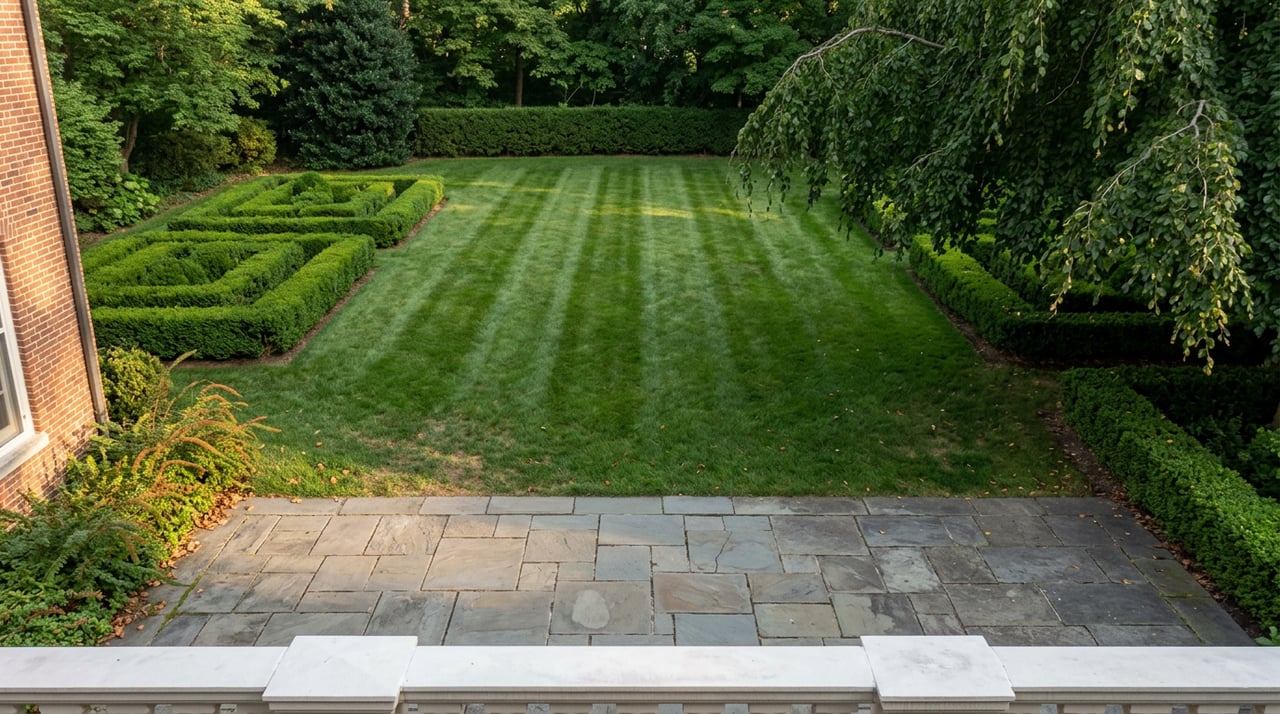
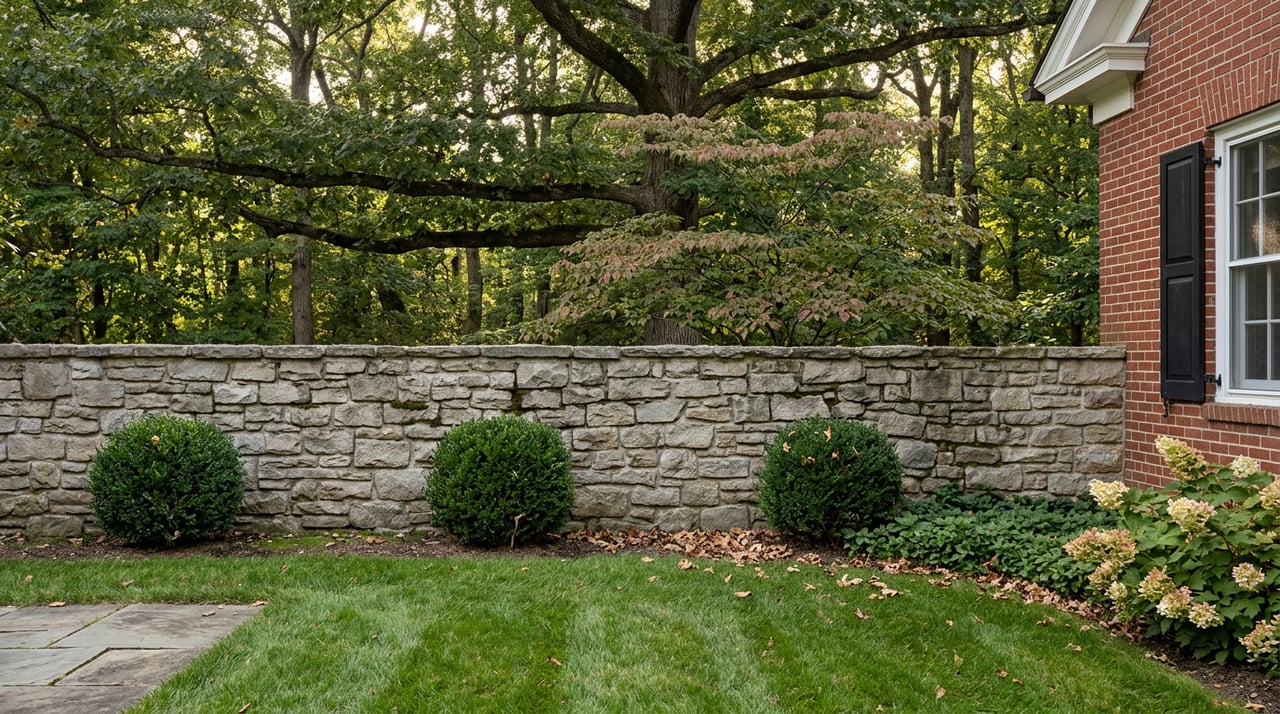
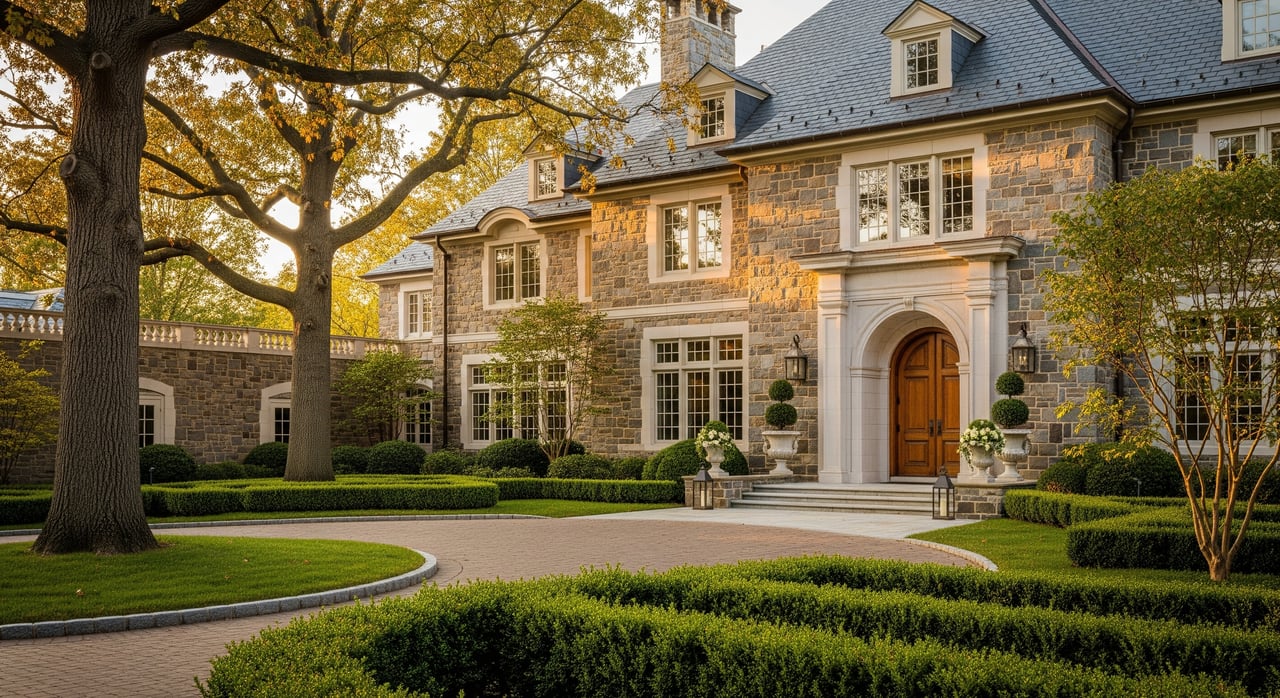
  • Refresh landscaping. Trim trees and hedges, edge lawn areas, remove dead plantings, and add container planters near the entry. Power wash long drives and define the entrance.
  • Declutter and depersonalize. Reduce extra furniture and collections to showcase scale and flow. Keep a curated selection of heirlooms that tells the home’s story.
  • Deep clean with neutral scents. Hire a professional cleaning crew, including windows and carpets, and remove pet odors.
  • Upgrade lighting. Use warm to neutral LED bulbs, ensure all fixtures work, and add task lights in dim spaces.

Preserve history, add comfort

Protect character features

  • Retain defining elements like moldings, mantels, built-ins, and stained glass when they are in good condition.
  • Use reversible updates when possible. Incorporate modern appliances while preserving original cabinet facades or millwork details.
  • If the property has a historic designation, consult a preservation specialist before significant changes to avoid compliance issues and protect appeal.

Marketing that matches the estate

Professional visuals

  • Hire a photographer experienced in luxury and historic homes. Prioritize high-resolution interior images that show flow and scale.
  • Capture twilight and exterior shots to showcase landscaping and architectural lighting.
  • Use drone photos and video where appropriate for acreage, long drives, and outbuildings. Confirm local regulations and respect privacy.
  • Provide floor plans. Offer at least a 2D plan; 3D or Matterport tours are a plus for out-of-town buyers.
  • Include a virtual tour or guided video walkthrough so buyers can understand the home’s layout and setting.

Staging strategy for flow

  • Emphasize scale. Remove excess small furniture to open pathways and highlight room proportions.
  • Create destination rooms. Style a welcoming formal living space, a comfortable family room, a well-appointed primary suite, and a home office if the plan supports it.
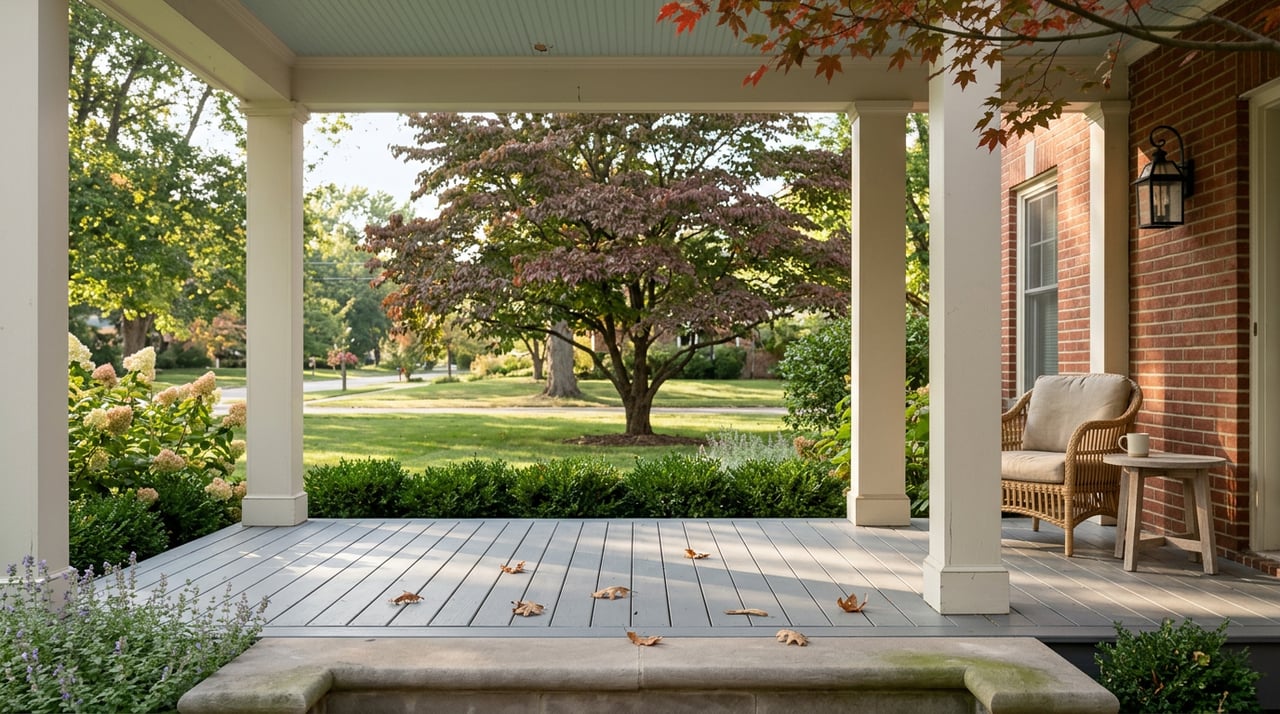
  • Stage outdoor living areas. Furnish patios and porches to show how the property lives across seasons. Keep pool areas spotless.

Showing game plan

  • Offer flexible but structured access. Pre-schedule weekday and weekend blocks, and consider private showings by appointment to protect valuables and control traffic.
  • Use focused open houses. Host limited public events and a broker preview to reach qualified buyers.
  • If you remain in the home, keep a show-ready checklist: quick tidy routine, remove personal items and valuables, and arrange pet care during showings.

Legal, permits, and peace of mind

Disclosures and documents

  • Provide the federal lead-based paint disclosure for pre-1978 homes. Include any remediation or test records.
  • Complete Maryland and Baltimore County disclosures covering property condition and known defects.
  • Disclose known easements, encroachments, flood risk, boundary issues, or environmental concerns like asbestos, knob-and-tube wiring, or fuel tanks if known.

Permits and historic status

  • Confirm whether the property sits in a locally designated historic area or under a preservation easement. Some exterior changes require approval.
  • If past renovations lack permits, pursue retroactive permits when feasible or plan to disclose clearly. Lenders and title companies often require clarity on major additions.
  • Verify the permitted use of outbuildings, carriage houses, or converted spaces and confirm they match public records.

Title, survey, and boundaries

  • Obtain a recent survey for large lots. Confirm boundary lines, especially for fences, driveways, guest houses, and landscape features.
  • Identify conservation easements, rights-of-way, or agricultural restrictions that could affect future use.

Inspections and negotiations

  • Use a pre-list inspection to set expectations. Decide which repairs to complete and which to reflect in pricing.
  • Prepare practical responses. Many buyers will accept reasonable cosmetic age while expecting transparency on structural or safety issues.
  • Consider offering a home warranty to provide peace of mind on mechanical systems.

Your 8-week listing timeline

  • 6 to 8 weeks out: Order the pre-list inspection. Gather service records and warranties. Begin major repairs and check permit history.
  • 3 to 4 weeks out: Complete high-impact cosmetic work like painting and landscaping. Finalize a staging plan and book photography and floor plans.
  • 1 to 2 weeks out: Complete staging. Capture professional photos, drone assets, and virtual tour. Prepare marketing copy.
  • Listing week: Publish with full disclosures, survey, floor plan, and pre-list inspection report available to buyer agents.

Budget priorities that protect value

  • First priority: Structural items, roof, and major systems like electrical, plumbing, and HVAC. Address anything likely to fail a buyer’s inspection or lender review.
  • Second priority: High-ROI cosmetics, including kitchen and bath refreshes, fresh paint, lighting upgrades, and curb appeal.
  • Third priority: Professional staging, high-quality photography, drone assets, floor plans, and virtual tours.

Buyer-ready packet checklist

  • Pre-list inspection report and receipts for completed repairs.
  • Service records for HVAC, roof, and appliances.
  • Recent survey and boundary documentation.
  • Permits for past work and any retroactive permitting records.
  • Lead-based paint disclosure and remediation records, if applicable.
  • Any HOA or community association documents.

Pricing and positioning guidance

  • Use relevant comparables. Larger or unusual estates require careful analysis beyond simple price-per-square-foot. Consider lot size, privacy, architectural integrity, and functional updates.
  • Account for outbuildings and unique spaces. Confirm permitted uses and reflect them in value.
  • Balance history and modernity. Well-preserved original features paired with updated systems and strong energy performance command attention.
  • Lead with presentation. High-end visuals, floor plans, and transparent documentation elevate buyer confidence and support pricing.

Work with a Ruxton expert

Preparing a Ruxton estate for sale is a thoughtful process that rewards owners who plan ahead. With the right inspections, targeted updates, and curated marketing, you can showcase your home’s best qualities and move forward with confidence. If you would like a customized prep plan, pricing analysis, and a concierge-level rollout to market, connect with Elise Brennan for a private consultation.
FAQs

Which repairs should I complete before listing a Ruxton estate?

  • Prioritize safety and core systems: fix electrical hazards, active leaks, roof issues, and HVAC failures; then handle high-ROI cosmetics like paint, lighting, and minor kitchen or bath refreshes.

How much staging does a historic Ruxton home need?

  • Focus on key rooms and scale. Define living areas, the primary suite, and outdoor spaces with neutral, appropriately sized furnishings, and remove excess small pieces to improve flow.

Will preserving original features hurt resale value if buyers want updates?

  • Buyers often pay premiums for authentic features in good condition. Pair preserved elements with modern conveniences like updated baths, lighting, and improved window performance.

How should I price a large lot or unique floor plan in Ruxton?

  • Compare thoughtfully with similar estates, factoring in lot size, privacy, architectural quality, and permitted outbuildings. Visual assets and full documentation support premium pricing.

What disclosures are required for older Maryland homes?

  • Provide state and county disclosure forms, lead-based paint disclosure for pre-1978 homes, and known information on easements, environmental issues, flood risk, and boundary matters.

Should I get a pre-listing inspection for a larger or historic home?

  • Yes. It helps identify deal-killing defects, guides repair choices, supports accurate pricing, and reduces renegotiation risk during buyer inspections.

Work With Elise

Experience unmatched dedication, market expertise, and a personalized approach to buying or selling your home. Since 2012, she has built a trusted reputation in the Baltimore metro area, forging strong community connections and delivering proven results. Whether you’re a buyer or seller, She combines strategic insight, local knowledge, and exceptional service to achieve your real estate goals.