Smart Pricing Strategies for Guilford Historic Homes
January 15, 2026
January 15, 2026
Square-foot pricing alone can miss the mark in Guilford. If you own or want to buy one of the neighborhood’s grand, early-20th-century homes, you already know character and setting carry real weight. The right strategy looks beyond GLA and accounts for architecture, lot and streetscape, sympathetic updates, and the realities of a specialized buyer pool. This guide shows you how to price with confidence in Guilford’s historic context. Let’s dive in.
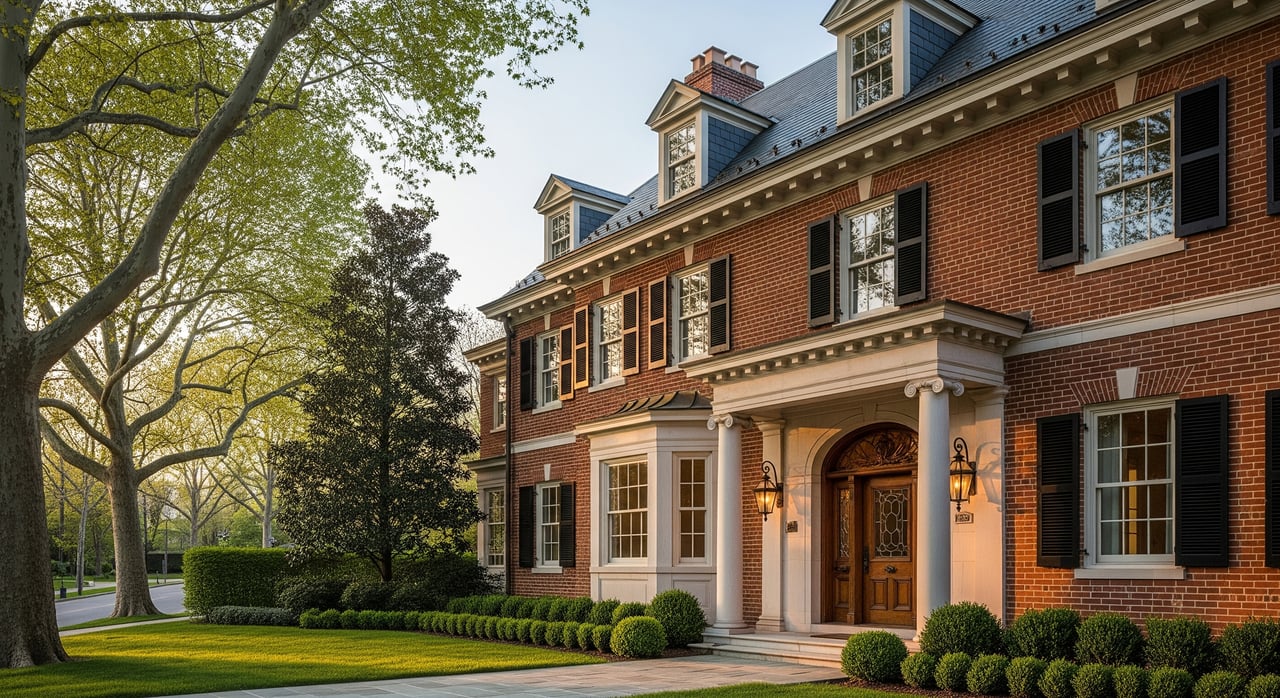
Guilford is a planned residential neighborhood known for formal styles like Georgian, Colonial Revival, and Tudor Revival. Large lots, mature trees, and intact period details set expectations for quality and authenticity. That combination creates value that a simple per-square-foot multiple cannot capture.
Because Guilford is a historic district, exterior and site changes often require review by Baltimore’s preservation authority (CHAP). Buyers and sellers should factor approvals and timelines into pricing and negotiation. Historic status preserves neighborhood integrity, which can support long-term value, but it also narrows some renovation options.
Original woodwork, leaded or stained glass, grand staircases, plaster, mantels, and built-ins often justify premiums. You gain more when features are intact and well maintained. If you have documentation of restoration work, that proof reassures buyers and supports pricing.
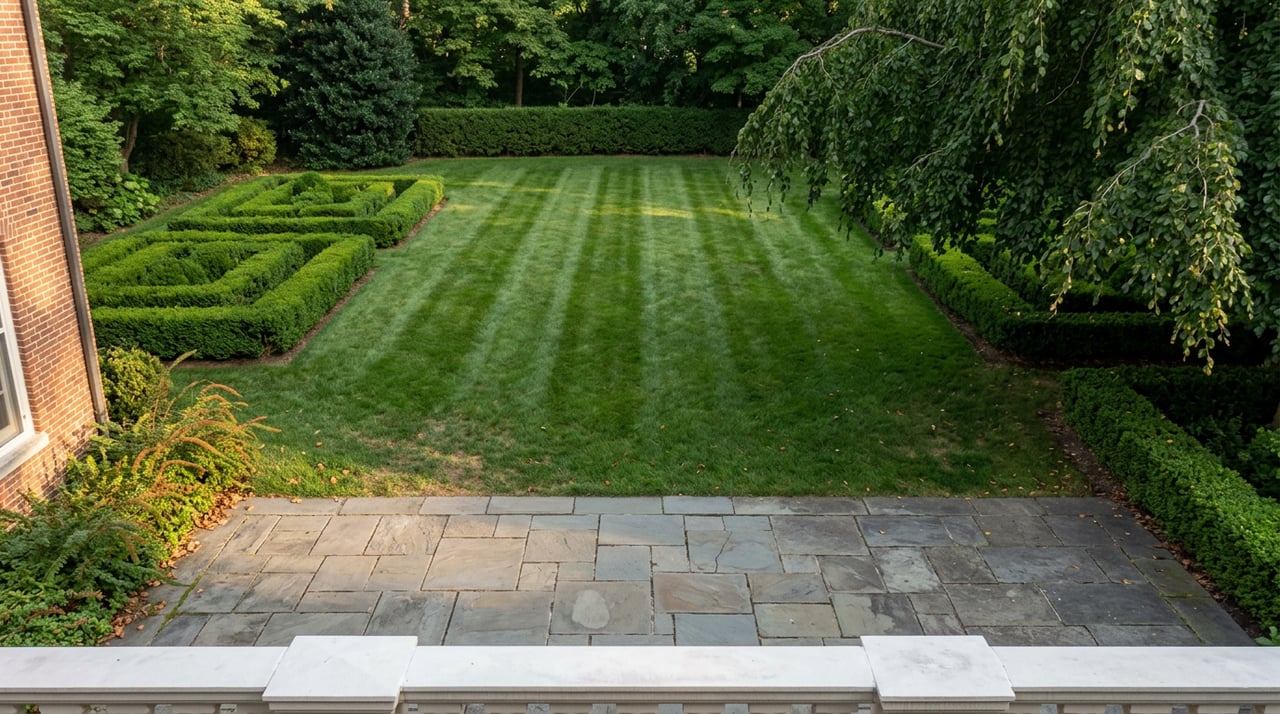
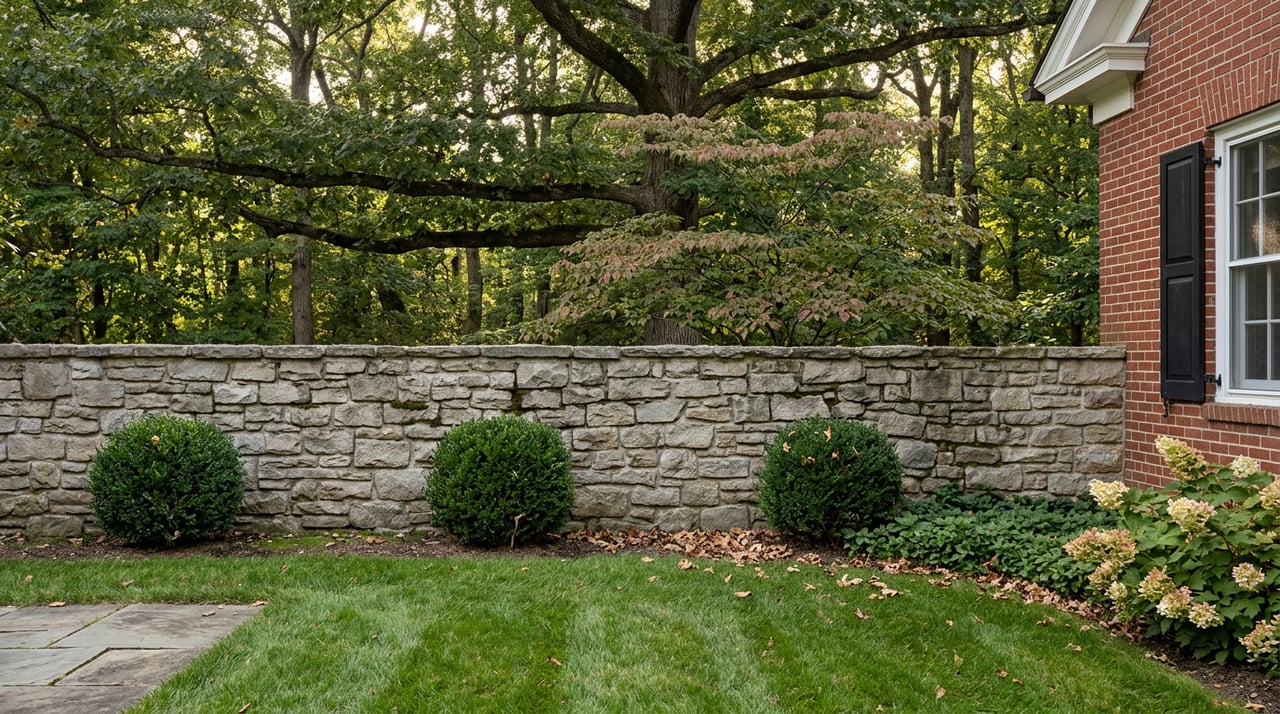
A large, private lot with mature landscaping, noteworthy trees, and compatible outbuildings adds perceived value. Corner lots, boulevard frontage, and strong streetscape also influence demand. Aerial photography and measured floor plans help showcase these attributes when you list.
Period-appropriate kitchen and bath updates that respect original design usually outperform trendy overhauls. Buyers in Guilford often want modern function that blends into the home’s character. Over-modernized work that removes defining elements can reduce appeal for core buyers.
Well-documented system upgrades matter. Updated electrical to code, modern HVAC, and high-efficiency heating are strong positives when they preserve the home’s appearance. Price in any deferred maintenance, especially slate roof work, masonry repointing with proper mortar, and plumbing or foundation needs.
Formal rooms, bedroom and bath counts, and circulation all affect value. Many Guilford buyers accept traditional layouts, but awkward floor plans can require pricing flexibility. Compatible additions or reconfigurations that respect the original design are stronger than disruptive changes.
Start with sales inside the Guilford Historic District. If you need to look nearby, choose very similar homes by era, style, and lot characteristics, then make careful qualitative adjustments. Use paired-sales analysis whenever possible to isolate premiums for condition, integrity, and features.
Adjust comps for:
When features are unique, document support using comparable sales with similar elements, replacement-cost perspectives, and observed buyer preference.
The sales comparison approach leads in Guilford, but recognize limits. Replacement cost for a period-accurate rebuild usually exceeds modern equivalents due to craftsmanship and materials. That reality explains why cost alone may understate market value.
The income approach is rarely applicable for owner-occupied single-family homes. If you consider alternative uses, remember historic designation can constrain feasibility and timing. Always evaluate highest and best use within preservation rules.
A 100-year-old Guilford home may present an effective age far younger if systems and structure were upgraded sympathetically. Appraisers note this distinction in condition and depreciation. As a seller, summarize completed work and timelines. As a buyer, verify with inspections and documentation.
These buyers value authenticity and often pay premiums for intact detail. Provide a clear feature inventory and restoration history with permits and photos. The more you document, the stronger your pricing case.
This group values function and flow. Expect discounts where floor plans are challenging or kitchens are dated. Sympathetic updates that improve daily use without stripping character can lift price.
Some buyers discount for renovation timelines, CHAP approvals, and construction risk. Pricing should reflect permitting clarity and the quality of prior work. Providing realistic estimates and process notes helps reduce uncertainty.
Relocating professionals often value proximity to major institutions, parks, and private schools. They may be less price sensitive if documentation is strong. Clear packets that explain neighborhood rules and past approvals build confidence.
In a Guilford transaction, the CHAP Certificate of Appropriateness process matters. Exterior changes and some site work typically require review. Historic preservation easements or deed restrictions, if present, can affect flexibility and value, so review title early.
Federal rehabilitation tax credits generally apply to income-producing properties. State and local incentive eligibility varies. If credits or easements are part of your plan, consult the Maryland Historical Trust, Baltimore City preservation offices, and your tax professional before you price.
A winning list or offer price in Guilford reflects the whole package: architectural integrity, quality of updates, lot and streetscape, systems, and buyer pool dynamics. It also reflects the district’s rules and the cost and time associated with doing work the right way. When you calibrate each of these pieces, you can defend your price and attract the right buyer.
Ready to position your home or offer with confidence? Connect with Elise Brennan for a tailored pricing consultation and local market strategy.

Experience unmatched dedication, market expertise, and a personalized approach to buying or selling your home. Since 2012, she has built a trusted reputation in the Baltimore metro area, forging strong community connections and delivering proven results. Whether you’re a buyer or seller, She combines strategic insight, local knowledge, and exceptional service to achieve your real estate goals.