Is Federal Hill Baltimore Right for Your First House Hack?
April 2, 2026
April 2, 2026
Wondering if buying in Federal Hill could help you own sooner by offsetting some of your monthly housing costs? If you are a first-time buyer looking at Baltimore rowhouses, that idea can be appealing, especially in a neighborhood known for its walkability, historic housing stock, and easy access to downtown. The key is knowing what is actually possible in a Federal Hill rowhouse, what your lender may allow, and what city rules you need to check before you count on future income. Let’s dive in.
Federal Hill has several features that make it worth considering for a house-hack strategy. According to Baltimore City’s complete streets planning materials, the area is primarily residential, walkable, transit-friendly, and bikeable, with commercial corridors along Light Street, Charles Street, Cross Street, and West Street. For many buyers, that mix can support a live-work-play lifestyle without relying heavily on a car.
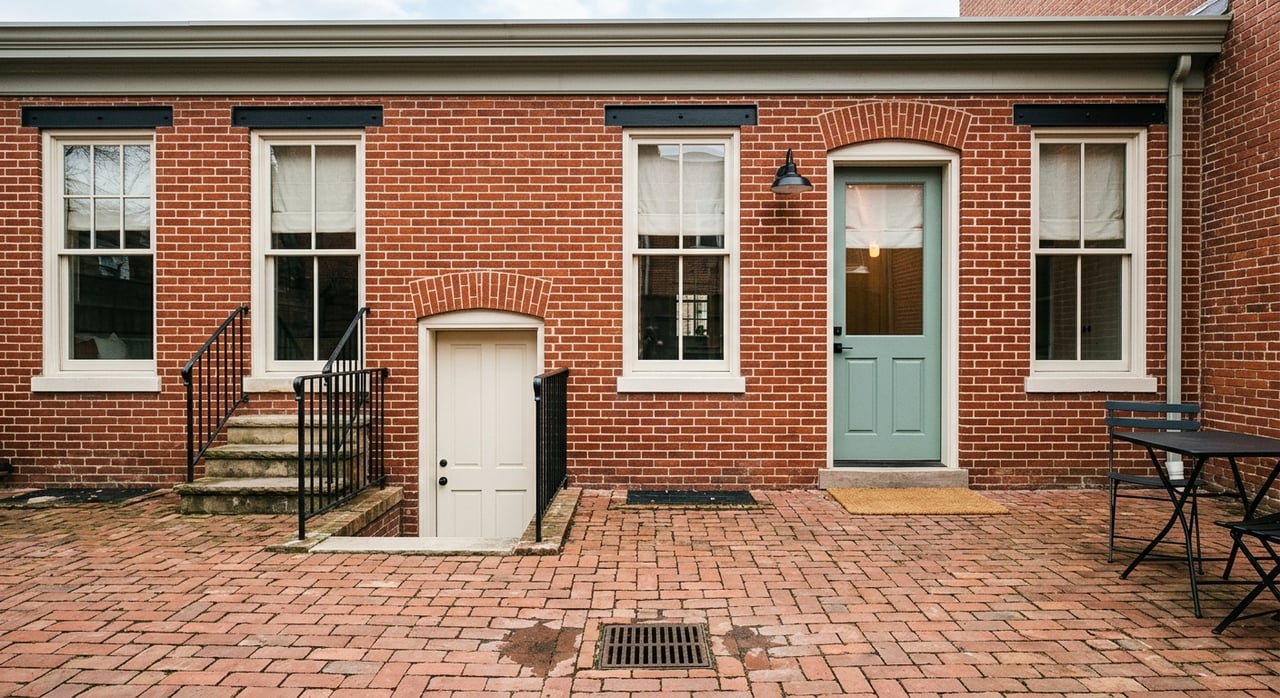
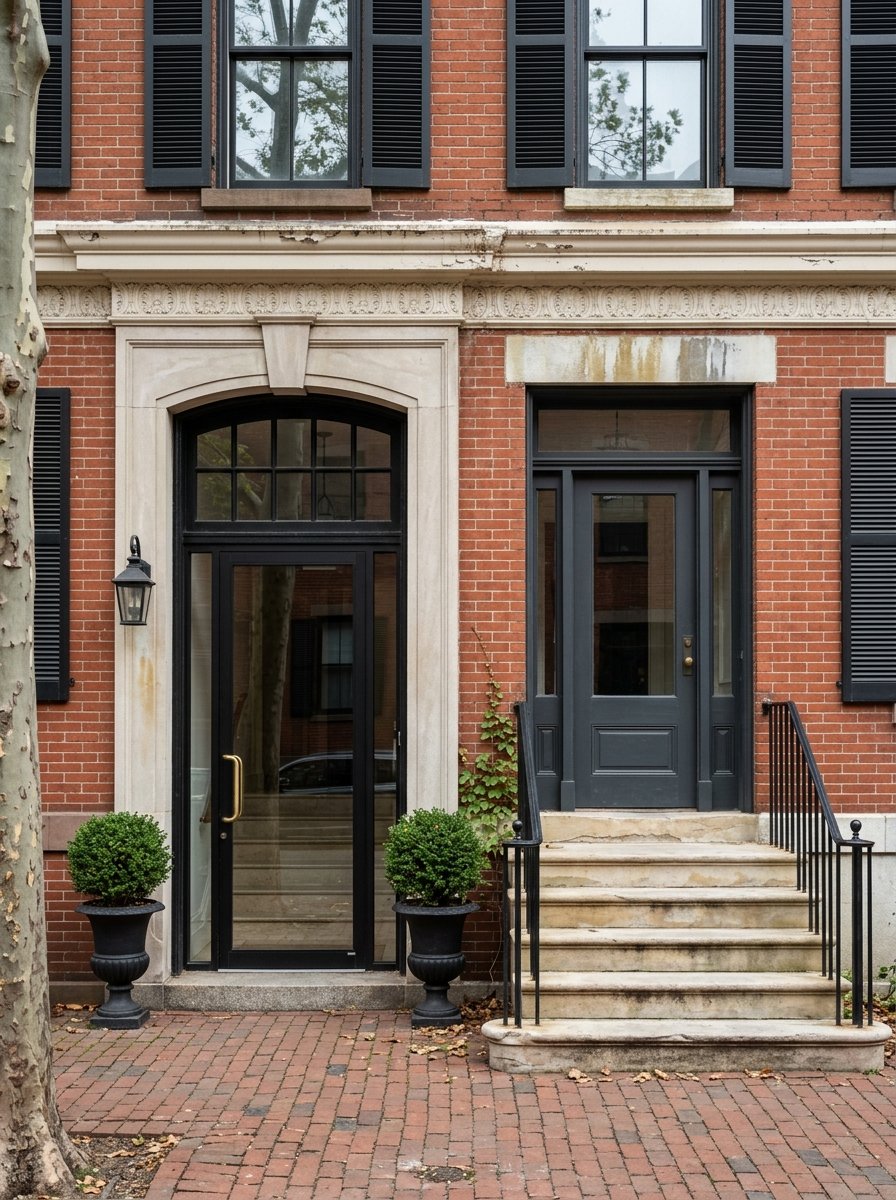
The housing stock also fits what many first-time buyers picture when they think of Federal Hill. A CHAP historic-district report describes the neighborhood as largely residential, with homes built from 1788 to 1945, and notes that brick rowhouses are the dominant building type in Federal Hill South. If you want character, location, and the possibility of using part of the home creatively, that is part of the appeal.
Still, it helps to start with the right expectations. Under Baltimore zoning, a rowhouse is generally a single dwelling unit attached by a shared wall and served by its own private entrance. In plain English, that means many Federal Hill opportunities are more likely to involve a single-family attached home with roommate or boarder income than a true small multi-unit property.
In Federal Hill, the most realistic house-hack setup is often the simplest one. Instead of buying a building with multiple legal apartments, you may be buying a classic rowhouse and living there while renting a bedroom or lower-level space to a roommate or boarder.
That matters because financing rules often treat these situations differently. Under Fannie Mae’s HomeReady underwriting guidance, boarder income from someone living with the borrower can count as acceptable stable income in some cases. Fannie Mae also says HomeReady may allow down payments as low as 3% and can accept rental payments or boarder income, depending on the borrower’s situation and documentation.
For a first-time buyer, that can open the door to a more manageable ownership plan. But it does not mean every extra room or finished basement automatically works as income-producing space. In Federal Hill, the difference between a roommate arrangement and a legal separate unit can be very important.
One of the biggest mistakes buyers can make is assuming the lower level is a rentable apartment just because it has a separate feel. Baltimore’s building code requirements for dwelling and rooming units say units must provide privacy, be separate from adjoining units and common areas, and have their own means of access from a hallway, landing, stairway, or street. Kitchen requirements and minimum room sizes also come into play.
That means a basement may fall into one of several categories:
If your plan involves collecting rent, you will want clarity before you make an offer. A lower level that works well for a roommate may not qualify as a separate dwelling unit for lending or licensing purposes.
There is another issue to watch. If a setup starts to look like several separately rented rooms with shared facilities, Baltimore’s rooming-house definition may become relevant. The city defines a rooming house as a building with three or more rooming units, shared kitchen or bath facilities, and no single housekeeping unit. That is a different use category than most first-time buyers have in mind.
If you want to live in the home and use rent to help cover the payment, your financing conversation should start early. You do not want to build your plan around income your lender will not count.
For owner-occupied properties, FHA can be part of the conversation. HUD says FHA loans may be used for owner-occupied one- to four-unit properties, including townhouses and rowhouses, with down payments as low as 3.5%. That can be especially relevant if you are trying to balance cash reserves, closing costs, and needed repairs.
Conventional financing may also be worth exploring. As noted above, HomeReady allows down payments as low as 3% in some cases and may consider rental or boarder income. It may also require a homeownership education course, which can be useful for first-time buyers who want a stronger grasp of the numbers.
Documentation is the key piece. Fannie Mae’s rental-income guidance says rental income is generally documented through Schedule E or a current lease. The CFPB’s Regulation Z Appendix Q framework, cited in the research, also allows roommate or boarder income in a single-family primary residence if that income is shown on the tax return. In practice, that means you should ask your lender very specific questions about what income can count now, what may count later, and what paperwork they will require.
Sometimes a Federal Hill property may already include a legally separate accessory unit, or there may be a legitimate way to configure one. In those cases, the financing discussion changes.
Fannie Mae’s rental-income rules state that subject-property rental income may be used for a one-unit primary residence with an existing accessory dwelling unit in some cases. That can be promising, but only when the property truly meets the standards involved.
This is where due diligence matters. You will want to verify how the space is recognized, whether it is lawful as currently configured, and whether any prior improvements were properly permitted. In a historic neighborhood with older housing stock, assumptions can get expensive quickly.
Federal Hill’s historic character is part of what makes the neighborhood so appealing. It is also part of why renovation plans need careful review.
Baltimore City has designated a Federal Hill Local Historic District, and city code says exterior alterations, exterior excavation, and new exterior structures in a historic district require CHAP review and an Authorization to Proceed before the Building Official may issue a permit. If your future plan includes a new basement entrance, egress changes, facade work, or a rear addition, that is not a detail to leave for later.
Before you buy, it is smart to confirm whether the specific address sits within the local historic district and whether your intended changes would trigger review. That can affect timeline, budget, and feasibility.
If you plan to rent part of the home now or rent the full property later, Baltimore and Maryland requirements are essential to understand. Baltimore City says all rental properties, including one- and two-family rentals, must be registered, inspected, and licensed. The city also states that failing to comply can lead to a $1,000 fine and suspension, revocation, or denial of the rental license.
That is a big reason not to treat renting as an informal afterthought. If your strategy includes future flexibility, you should understand the compliance steps before you buy, not after you close.
Lead rules may also apply. The Maryland Department of the Environment says pre-1978 rental properties must be registered and renewed, and tenants in those rentals are entitled to a copy of the lead inspection certificate. Since many Federal Hill rowhouses were built long before 1978, this can be highly relevant if you plan to rent any qualifying space.
If upfront cash is the main hurdle, you may have more than one path to explore. In addition to FHA and HomeReady, Baltimore City says eligible first-time buyers with household income at or below 80% of area median income may receive 50% of the down payment up to $10,000. The city also says these incentives require counseling from a City-approved agency and at least $1,000 of the buyer’s own funds.
Programs like this can make a meaningful difference, but they come with eligibility rules and process requirements. If you think you may qualify, it is worth discussing early so you can build the right team and timeline.
If you are serious about buying in Federal Hill, a practical checklist can help you separate a good idea from a risky assumption.
The strongest house-hack purchases are usually the ones that still make sense even if the income plan takes time to implement. If the home works for your lifestyle, your budget is realistic, and any rental component is legally and financially supportable, you are in a much better position.
That is especially true in a neighborhood like Federal Hill, where historic housing, location, and older building layouts can create both opportunity and complexity. A careful review upfront can help you avoid buying based on a setup that does not actually pencil out.
If you are weighing whether a Federal Hill rowhouse could support your first home purchase and a smart long-term strategy, working with an agent who understands Baltimore’s housing stock, historic considerations, and buyer process can make the path much clearer. When you are ready to talk through neighborhoods, property types, and what may be realistic for your budget, connect with Elise Brennan for thoughtful, local guidance.
Experience unmatched dedication, market expertise, and a personalized approach to buying or selling your home. Since 2012, she has built a trusted reputation in the Baltimore metro area, forging strong community connections and delivering proven results. Whether you’re a buyer or seller, She combines strategic insight, local knowledge, and exceptional service to achieve your real estate goals.