Choosing Between Rowhouses and Townhouses in Federal Hill
December 4, 2025
December 4, 2025
Are you trying to decide between a rowhouse and a townhouse in Federal Hill? You are not alone. These homes can look similar from the street, yet they often come with very different responsibilities and costs. In this guide, you will learn how the terms are used in Baltimore, what to expect in Federal Hill’s historic housing stock, and how to choose the right fit for your budget and lifestyle. Let’s dive in.
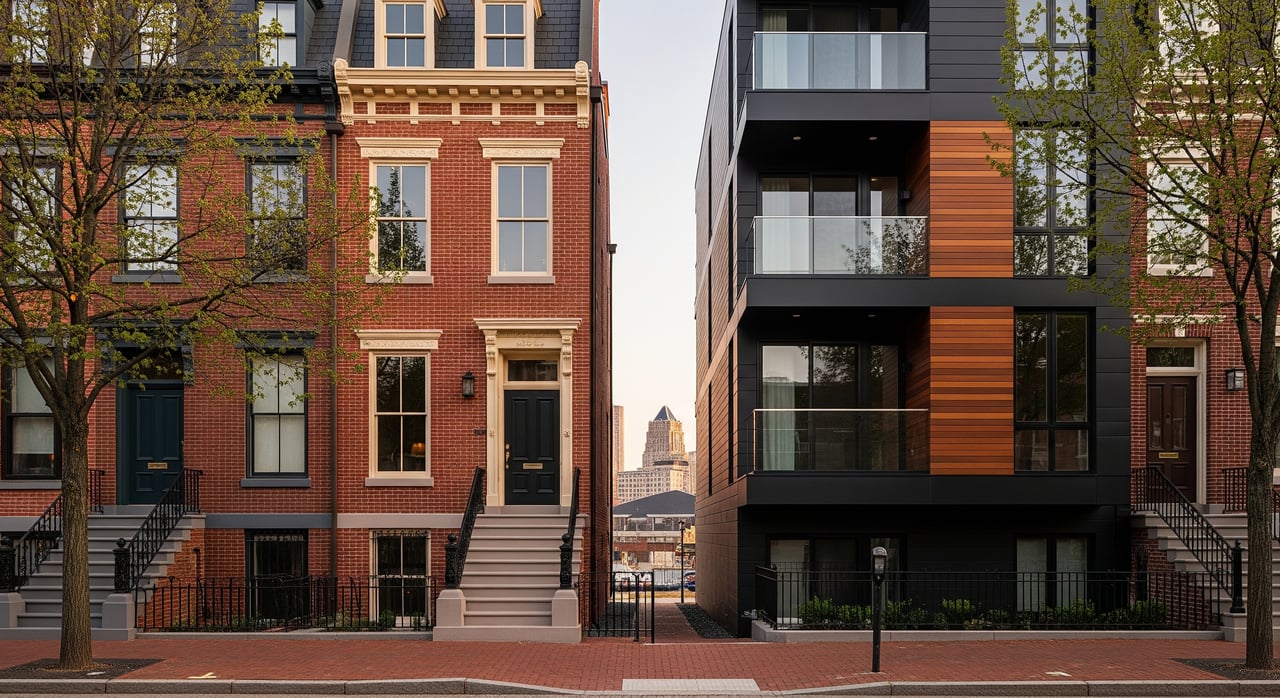
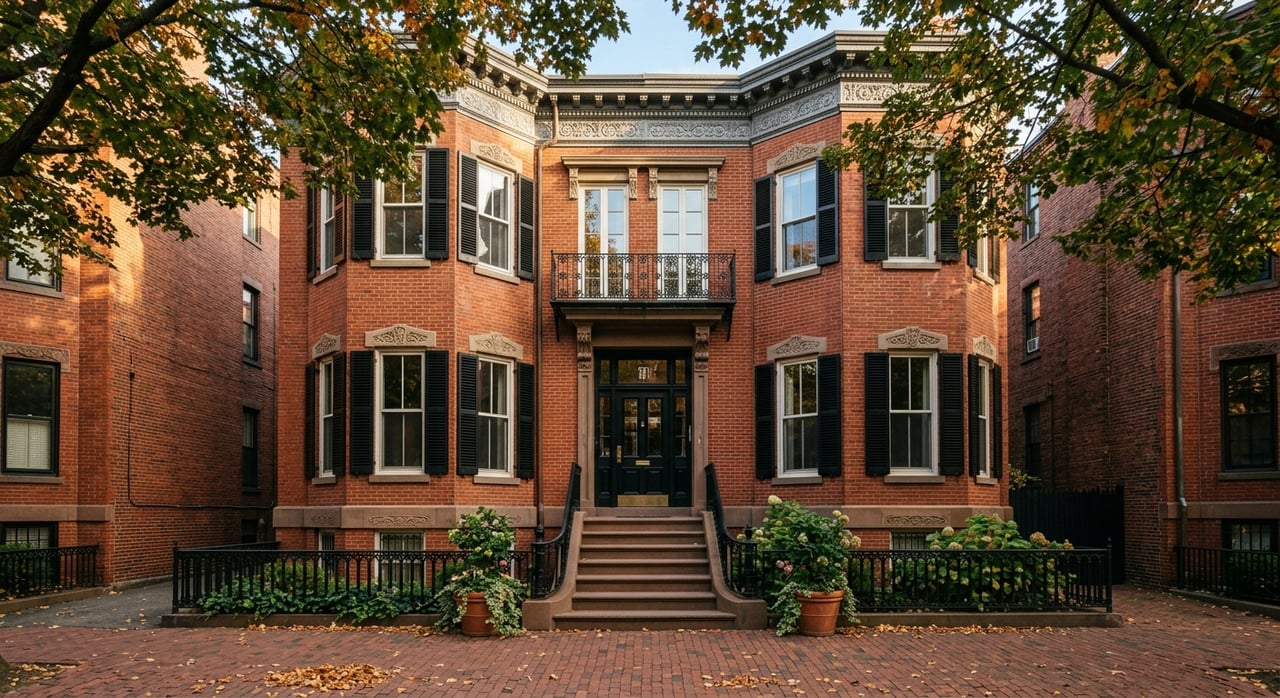
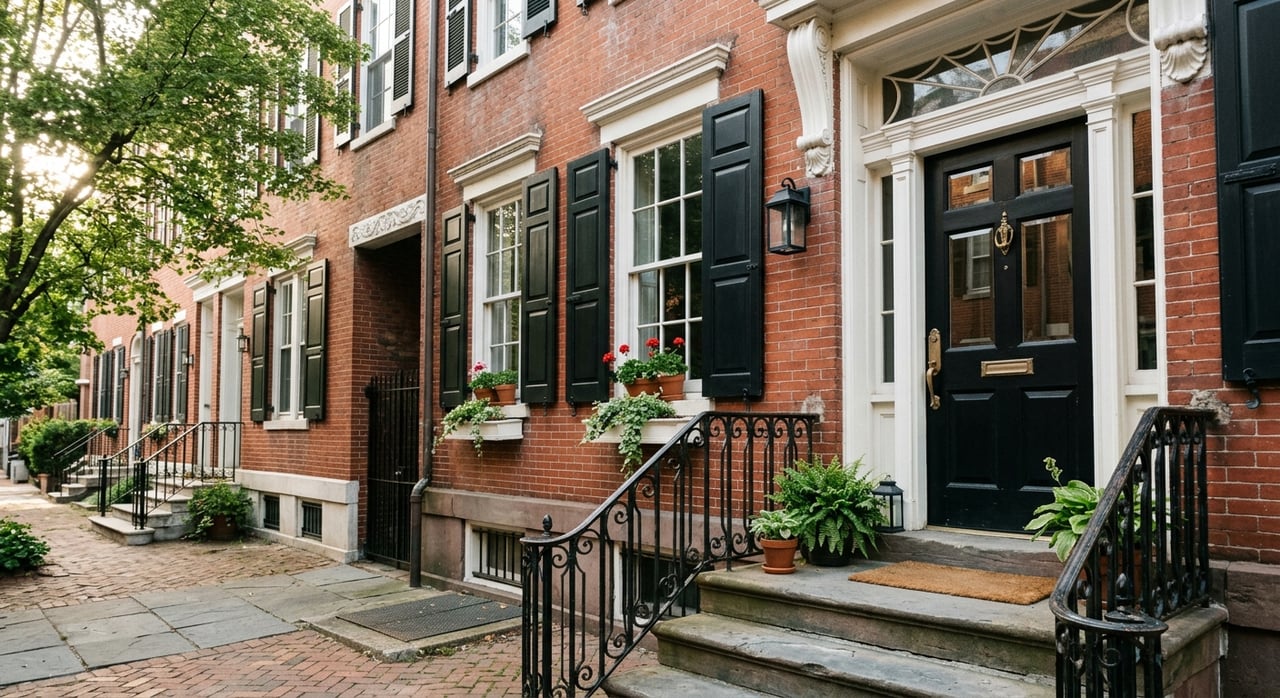
A rowhouse describes a narrow, attached home that shares side walls with its neighbors. In Baltimore, the word signals historic, brick streetscapes with stoops and cornices. It describes how the home looks and sits on the block, not how it is owned.
Townhouse can describe the same attached home style as a rowhouse. It can also refer to a unit in a planned townhouse or condominium setting with a formal association and monthly fees. In local listings, townhouse often hints at newer construction or a community with shared maintenance, but usage is not consistent.
Two homes can look identical yet have very different legal structures. A fee simple home means you own the land and the structure, including responsibility for exteriors and shared walls unless an agreement says otherwise. A condominium means you own the interior of your unit while a condo association maintains exterior and common elements, funded by monthly fees. Always confirm the deed and association documents before you write an offer.
Federal Hill is one of Baltimore’s oldest near‑harbor neighborhoods, with many homes built in the mid‑1800s to early 1900s. You will see brick façades, decorative cornices, and narrow frontages, often 14 to 20 feet wide. Many homes rise two to four stories with basements, small rear yards, and alley access. Inside, traditional plans place living areas up front, dining in the middle, and the kitchen at the rear, with bedrooms stacked above.
You will also find infill townhouses and small clusters near redevelopment areas. These often offer larger footprints, modern open layouts, and, at times, attached garages. Some sit within an HOA or condo association that governs exterior maintenance and common areas.
Many historic rowhouses need periodic masonry repointing, cornice and roof attention, and window or exterior trim work. Electrical and plumbing systems may be older and require upgrades. Basements can have moisture or drainage issues on compact lots. In a fee simple home, you handle exterior and structural work. In a condo or HOA setting, the association may cover common elements while you maintain your interior.
If the home is part of a condo or townhouse association, monthly fees can vary widely based on services. Smaller associations may cover exterior maintenance, insurance for common areas, landscaping, and snow removal. Fee simple rowhouses usually have no monthly fees, but you take on larger repair costs directly. When you evaluate an association, request budgets, reserve studies, meeting minutes, rules, and any history of special assessments or litigation.
Federal Hill is dense and many historic rowhouses do not have garages. Some blocks have rear alleys and a few homes include a small garage or off‑street space, which are less common and often in demand. Most residents rely on on‑street parking and neighborhood permit rules vary by block. Verify whether a listing includes deeded parking, an easement to an alley space, or only on‑street parking.
Fee simple rowhouses typically qualify like single‑family homes for conventional, FHA, or VA financing. Condominiums may need condo association approvals for certain loan types, and some lenders apply stricter underwriting for condos. Renovation loans can be helpful if you plan upgrades. For insurance, fee simple owners carry a standard homeowners policy. Condominium owners carry an HO‑6 policy for the interior while the association insures exteriors and common areas. Check flood maps and lender requirements, since proximity to the Inner Harbor means some streets may be in or near flood‑prone zones.
Parts of Federal Hill are within local and national historic designations. Exterior changes, including façades, stoops, windows, and rooflines, often require review and permits from the city’s historic preservation bodies. Timelines and materials can be specific. Interior updates are usually more flexible. Certain certified projects may qualify for historic tax credits, so research programs before you start work.
Houses built before 1978 likely contain lead‑based paint. You should also be alert to possible asbestos in older materials and outdated wiring such as knob‑and‑tube. A thorough inspection helps you understand risks, code issues, and the scope of any needed remediation.
Choose a fee simple rowhouse if you want control over the exterior, prefer no monthly association fees, and accept the responsibility for larger repairs. Pick a townhouse or condo setting if you want more predictable exterior maintenance and shared services in exchange for monthly fees and rules. In Federal Hill, the best choice often comes down to your parking needs, renovation appetite, and comfort with historic review.
A thoughtful plan and the right partners make this process smoother. If you want help verifying ownership, reviewing association documents, and mapping out inspections and financing, connect with Elise Brennan to start a focused, neighborhood‑smart home search.
Experience unmatched dedication, market expertise, and a personalized approach to buying or selling your home. Since 2012, she has built a trusted reputation in the Baltimore metro area, forging strong community connections and delivering proven results. Whether you’re a buyer or seller, She combines strategic insight, local knowledge, and exceptional service to achieve your real estate goals.