How Mortgage Rates Shape Roland Park Buying Power
December 18, 2025
December 18, 2025
If you are shopping for a home in Roland Park, small changes in mortgage rates can shift your monthly payment and what you can comfortably afford. That can feel frustrating when you are watching a limited number of great homes come to market. The good news is you can plan for rate movement and use financing tools to keep your options open. In this guide, you will see clear examples, practical strategies, and next steps tailored to Roland Park buyers. Let’s dive in.
Mortgage rates directly affect the principal-and-interest portion of your payment. Taxes, homeowners insurance, HOA dues, and mortgage insurance are separate and must be added for a full monthly picture. On a fixed-rate loan, your note rate stays the same for the full term. On an adjustable-rate mortgage, the rate is fixed at first and then adjusts at set intervals.
If you want to follow overall rate trends, check the weekly averages in the Freddie Mac Primary Mortgage Market Survey. Use those trends as context, but always get a local lender quote for your exact scenario.
Two quick truths to keep in mind:
The following examples are principal-and-interest only for a 30-year fixed with 20 percent down. They are illustrative only, not a quote. Always verify with your lender and add taxes, insurance, HOA, and any mortgage insurance to estimate your total monthly cost.
Example purchase price 400,000 dollars, loan 320,000 dollars:
What to add: Baltimore City property taxes, homeowners insurance, and any HOA or condo dues. You can look up recent tax bills on the Baltimore City Real Property search.
Example purchase price 750,000 dollars, loan 600,000 dollars:
Example purchase price 1,500,000 dollars, loan 1,200,000 dollars:
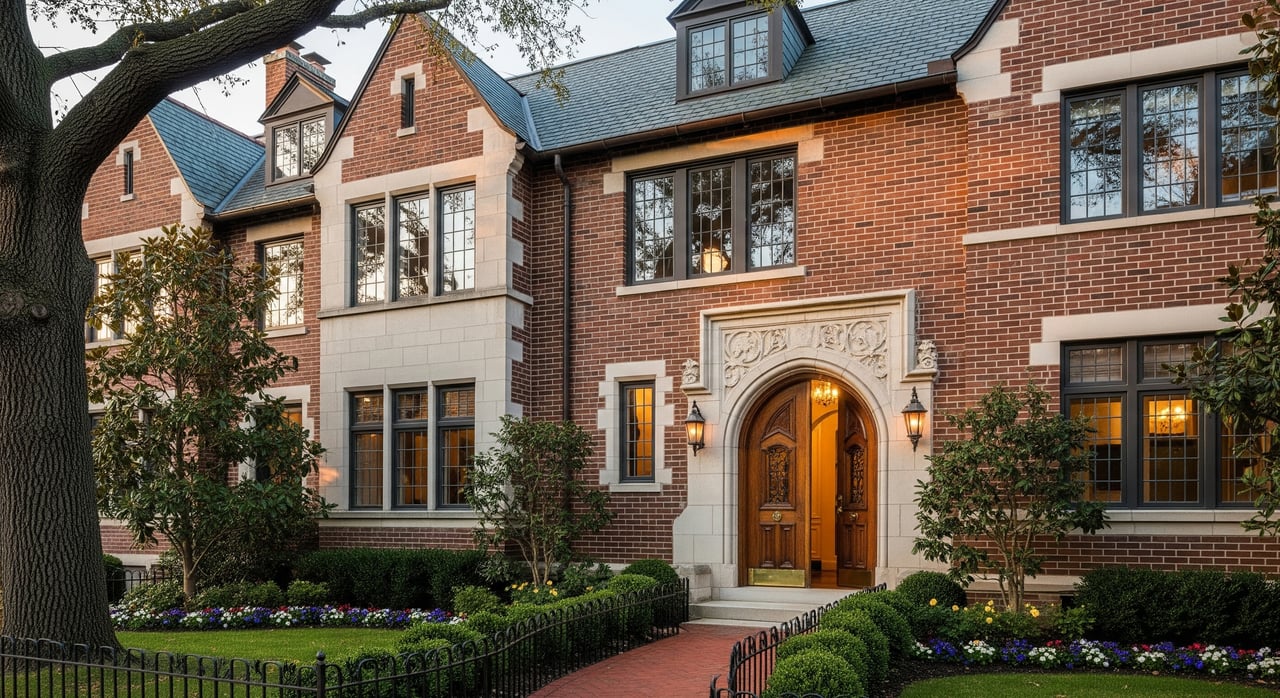
These examples help you see how payment changes across common Roland Park price points. Roland Park is an established North Baltimore neighborhood with older single-family homes and limited new construction. Inventory is often constrained relative to demand, so having a clear payment plan helps you act decisively when the right property appears.
Say you want to keep your principal-and-interest near 3,000 dollars per month with 20 percent down. Here is how a 1.0 percent rate move can change your price range. This is an example only; confirm exact numbers with your lender.
In this scenario, the 1.0 percent increase trims purchase power by about 57,000 dollars. If you are targeting a specific Roland Park block or house style, it helps to model a few rate cases before you tour.
A temporary buydown, like a 2-1 buydown, lowers your rate for the first one to two years and then steps up to the full rate. The cost is paid upfront by you or negotiated as a seller concession. A permanent buydown uses discount points to lower the rate for the life of the loan. The CFPB explains how discount points work.
Pros: lower early payments and potential qualification help. Cons: upfront cost and less benefit if you sell or refinance soon. In a slower market, seller-paid buydowns are sometimes negotiable. In a tight Roland Park market, paying points can be a competitive tool if it sharpens your monthly budget.
ARMs offer a lower initial rate for a set period, then adjust based on an index plus a margin. That can increase your buying power today if you plan to sell or refinance before adjustments begin. Be sure you understand the caps and the potential payment at the first adjustment. The CFPB’s ARM overview is a helpful primer.
Consider building a simple break-even view: how many years until the ARM’s total cost equals a fixed-rate alternative. If your expected time in the home is shorter than that horizon, the ARM may make sense.
Putting 20 percent down typically avoids private mortgage insurance and reduces your monthly payment. Many buyers use lower down payments to keep cash for renovations or reserves. If you put less than 20 percent down, budget for PMI and ask your lender for a quote by down-payment tier. For basics on PMI, review the CFPB’s guidance.
Your lender may qualify you at a higher stress rate than your quoted note rate. That can change your maximum loan as rates move. Ask about rate locks and any float-down options so you can protect a favorable quote during your home search.
If your price point straddles conforming and jumbo financing, check the current conforming loan limits for the area on the FHFA’s conforming loan limit page. Loan limits influence program eligibility, rate options, and required reserves.
If you are buying at the lower price band, your monthly payment and PMI are sensitive to rate changes. Helpful levers include a slightly larger down payment, a seller concession for a temporary buydown, or considering nearby micro-markets that offer more value per square foot.
If you are moving within Roland Park or from a nearby neighborhood, your trade-offs often involve timing the sale of your current home while locking a rate on the new home. ARMs can help if you expect to refinance in the medium term. You can also use a sale contingency or explore bridge financing options through your lender.
If you are targeting the upper price band, you may be more insulated from rate swings due to larger down payments. You can focus on optimizing your financing for tax and return goals, paying points to manage long-term cost, or selecting an adjustable product if you plan a renovation and shorter holding period.
Every home and buyer profile in Roland Park is different. The right approach blends your budget, timeline, and the realities of a low-inventory neighborhood. If you want tailored scenarios for a specific home and help negotiating credits or buydowns, connect with Elise Brennan. You will get clear numbers, a smart financing game plan, and a strategy to move when the right home hits the market.






Experience unmatched dedication, market expertise, and a personalized approach to buying or selling your home. Since 2012, she has built a trusted reputation in the Baltimore metro area, forging strong community connections and delivering proven results. Whether you’re a buyer or seller, She combines strategic insight, local knowledge, and exceptional service to achieve your real estate goals.