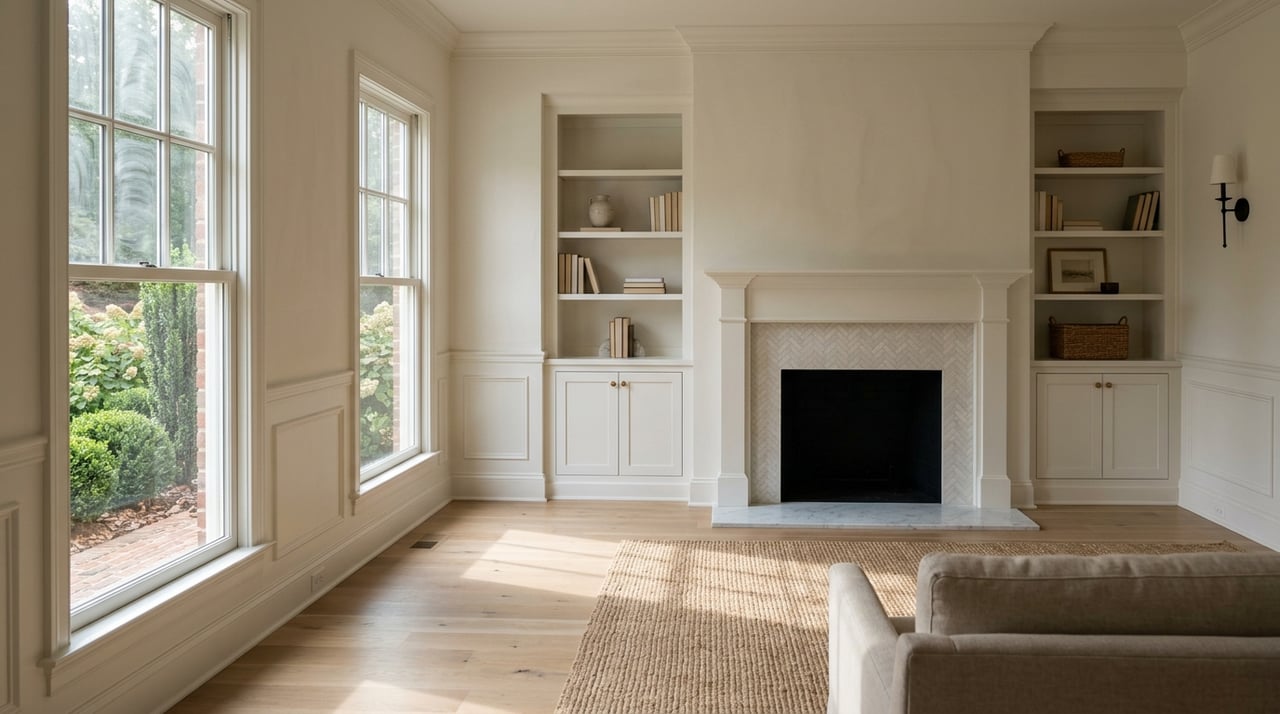
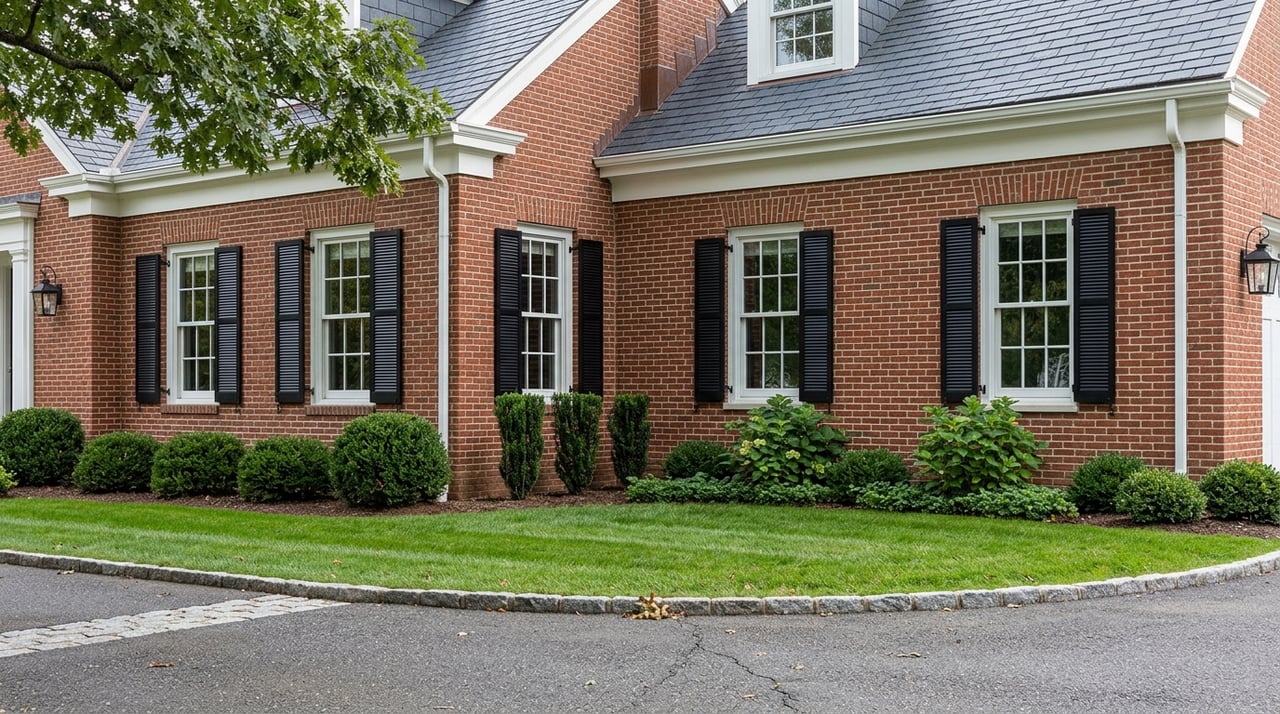
Are you ready to live with less upkeep while staying close to everything you love about Roland Park? Letting go of a large, historic home can feel daunting, but a clear plan makes every step easier. In this guide, you’ll learn how to time your sale, prep an older home for market, explore nearby right-sized options, and line up the logistics. Let’s dive in.
Why downsize in Roland Park
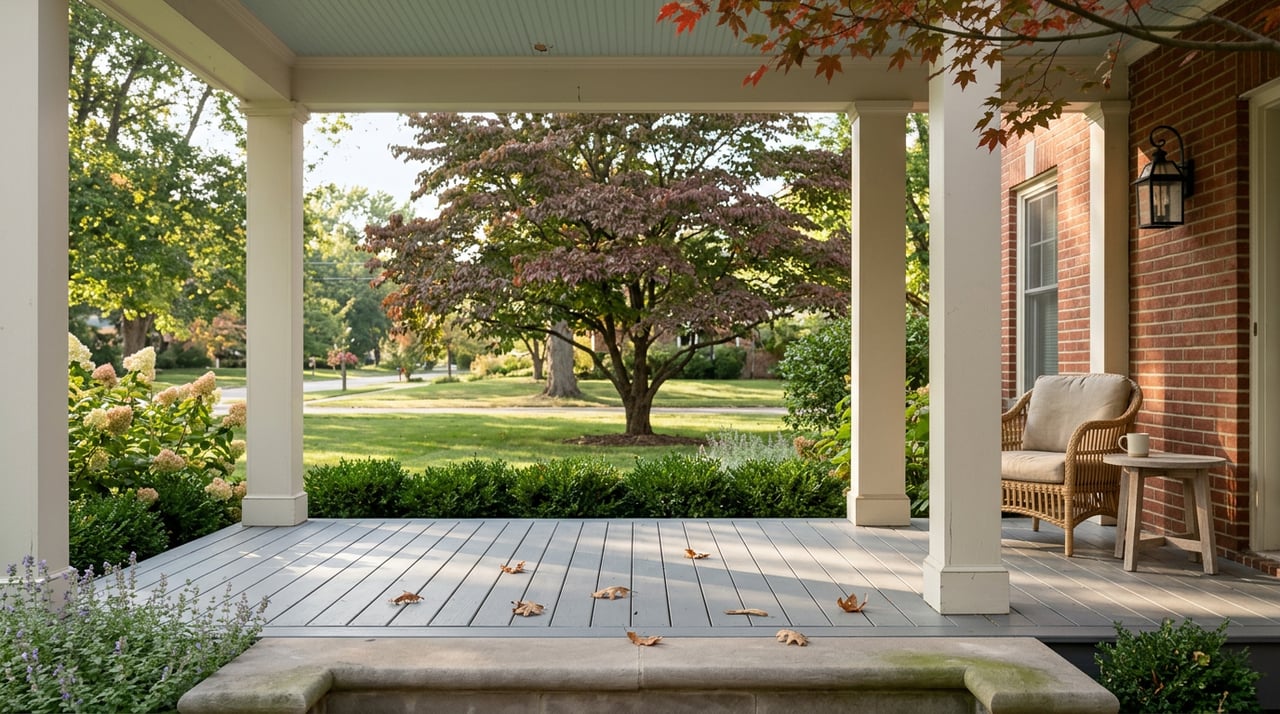
Roland Park blends historic charm, mature trees, and village convenience. It is an Olmsted-influenced, early planned suburb and a designated historic district. That character draws buyers who value architecture and location, which can support a strong sale when your home is well presented.
If you want to unlock equity and simplify, you do not have to move far. Nearby neighborhoods offer lower-maintenance living with access to shops, cultural venues, and medical centers. With the right plan, you can sell with confidence and land in a home that fits your next chapter.
Market snapshot and pricing range
Neighborhood trackers show a wide range for Roland Park home values. Recent reports place the median in roughly the $440,000 to $600,000 range, depending on data source and recent sales mix. In small, low-inventory areas, numbers can shift quickly by month.
Days on market often run in the multi-week range. Short-term swings are common. Your best step is to request a current, MLS-based Comparative Market Analysis tailored to your block and property type, then plan your net proceeds with a conservative estimate.
When to list
Spring usually brings more buyer traffic, but timing is only part of the story. For older or higher-end homes, complete high-impact repairs, invest in targeted staging, and use professional photos and floor plans. Precise pricing based on recent comparable sales is essential. The National Association of REALTORS notes that staging helps buyers visualize a property and can lead to faster sales and stronger offers.
Your 3-phase timeline
3–6 months before listing
- Inventory and declutter room by room.
- Order pre-listing inspections for roof, electrical, HVAC, structure, and moisture.
- Gather contractor bids for priority repairs and safety items.
- If exterior work is likely, contact Baltimore City’s historic review (CHAP) early to confirm what needs approval.
4–8 weeks before listing
- Complete agreed repairs that reduce buyer risk.
- Book targeted staging for the living room, kitchen, and primary bedroom.
- Schedule professional photography and create a measured floor plan.
- Compile disclosures, permits, and any preservation documents.
Listing to closing
- For a well-priced home, plan for about 4–8 weeks on market under normal conditions, then allow time for closing. Confirm current pacing with your agent and build in contingency time for inspections and appraisals.
Prep a historic Roland Park home
CHAP rules and incentives
Roland Park is within recognized historic boundaries. Exterior changes to properties in the local historic district typically require CHAP review and permits. CHAP also administers a 10-year Historic Tax Credit for qualifying rehabilitation. Contact CHAP early if you plan exterior changes such as paint, windows, roofing, or porch work. Gather any past approvals and permits now to avoid delays later.
Inspection-first repair priorities
- Pre-listing home inspection by a pro familiar with historic systems.
- Roof and drainage: address leaks, gutters, downspouts, and site grading, especially for slate roofs.
- Mechanical systems: service or replace HVAC and water heater; confirm appliance condition.
- Electrical and safety: remove active knob-and-tube, update panels, and fix hazards immediately.
- Moisture and masonry: handle flashing, repointing, and basement/crawlspace drainage; historic brick often needs specialists.
- Lead paint and asbestos: disclose for pre-1978 homes and use safe-work practices; obtain quotes if remediation is needed.
- Cosmetic and staging prep: fresh paint, tidy trim and porch elements, and a clutter-free entry.
Skilled trades and timing
Historic materials require experienced contractors. Slate, plaster, masonry, and window restoration are specialty trades and can be costly. Obtain multiple written bids. If you plan significant work, ask about CHAP eligibility and timelines so approvals and tax-credit applications do not delay your launch.
Staging and decluttering that work
Target your budget where buyers focus most. Stage the living room, primary bedroom, and kitchen. Aim for light, calm palettes and simple, scaled furnishings. Professional staging and high-quality photography boost online appeal, which converts to more showings and better offers. If you are mid-move, consider partial or virtual staging for key rooms.
Streamline what you keep and donate
- Senior move managers: Use a certified move manager to sort, pack, and coordinate vendors for complex moves.
- Estate-sale and auction help: For antiques or collections, interview estate-sale companies or local auctioneers and review fees.
- Donation and reuse: Habitat for Humanity ReStore accepts furniture and building materials. Goodwill and Salvation Army take clothing and household goods. Call ahead for pick-up rules.
Right-sized living nearby
Right-sizing can mean a smaller single-family, a luxury townhouse, a condo with amenities, or an age-qualified community. Here are nearby paths to consider:
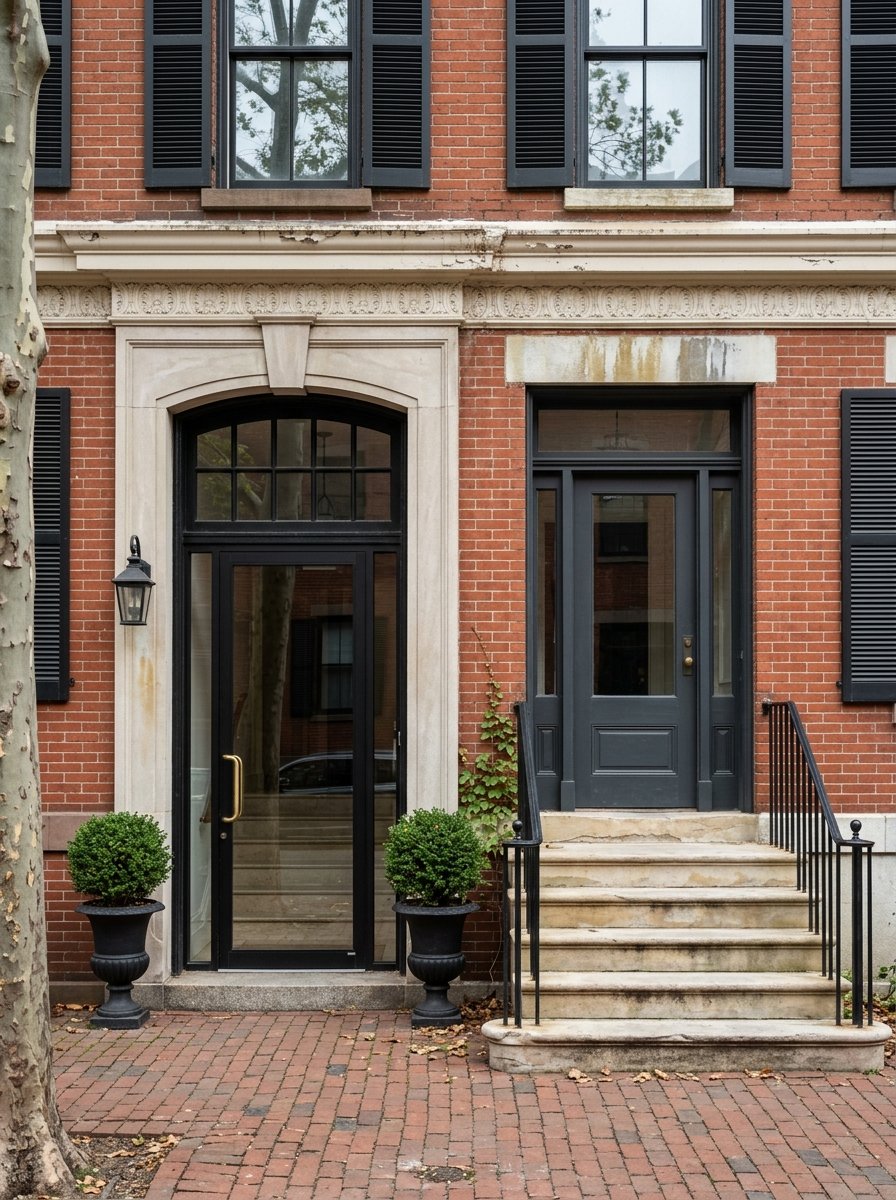
- Historic condos or rowhouses in Guilford, Homeland, Mount Washington, or Wyndhurst for charm with less yard work.
- Village-style condos near Mount Washington and parts of Towson for walkability to daily needs.
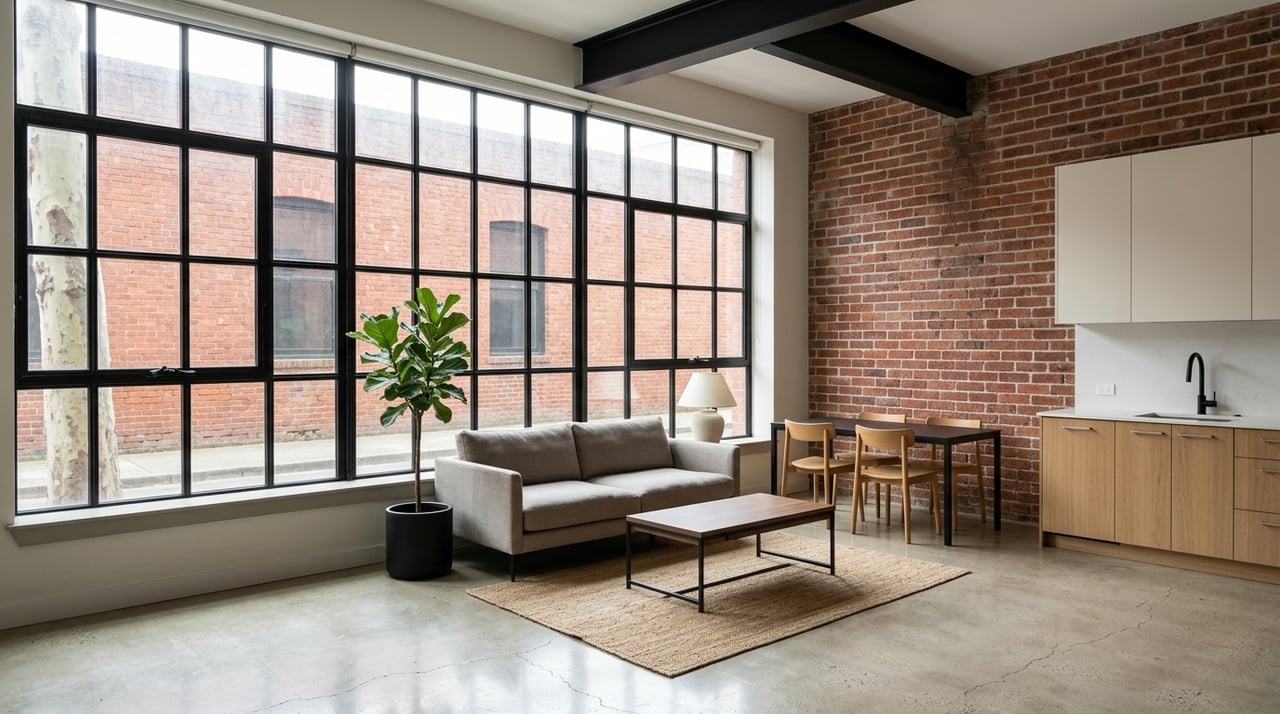
- High-amenity condos or new townhomes in Harbor East, Federal Hill, and select Towson developments for low exterior maintenance and easy access to restaurants and medical centers.
- Age-qualified independent living and continuing-care options in the greater Baltimore suburbs, often with waitlists and specific criteria.
Quick comparison of nearby options
| Area and type |
Typical home type |
Maintenance level |
Walkability and services |
Notes |
| Guilford/Homeland |
Historic condos, smaller homes |
Lower yard burden |
Neighborhood greens and nearby retail |
Local historic character; verify HOA rules |
| Mount Washington/Wyndhurst |
Condos, rowhouses, village-edge homes |
Lower exterior work |
Village retail and transit access |
Character neighborhoods; confirm fees |
| Harbor East/Federal Hill |
Luxury condos, new townhomes |
Minimal exterior maintenance |
Restaurants, waterfront paths, services |
High-amenity buildings; varied HOA/condo fees |
| Towson (select areas) |
Newer townhomes, condos |
Low to moderate maintenance |
Suburban retail and healthcare access |
Check commute needs and parking |
| 55+/CCRC suburbs |
Independent living and full service |
Minimal maintenance |
On-site services and programs |
Waitlists are common; review contracts |
For current pricing and availability, review the MLS with a buyer’s agent who works with downsizers.
Financial and tax items to flag
- Capital-gains exclusion: If you meet ownership and use rules, you may exclude up to $250,000 of gain if single or $500,000 if married filing jointly. Ask your tax advisor about reporting and any special cases.
- Homestead and local credits: Maryland’s Homestead Property Tax Credit can limit annual assessment increases for your principal residence, but you must apply with SDAT. City and County programs may also affect outcomes for rehab or a move across jurisdictions.
- Property tax rate context: Baltimore City’s property tax rate has historically been above $2.00 per $100 of assessed value. Baltimore County’s real property rate is notably lower at around $1.10 per $100. Moving from City to County can change your tax picture. Review assessments, credits, and timing with a tax professional.
- Net proceeds planning: Build a conservative estimate. Include agent commissions, repairs, staging, potential concessions, mortgage or HELOC payoffs, and closing costs. Ask your agent for a detailed seller net sheet and review with your CPA.
What to ask your agent
- Can you provide an MLS-based CMA for my specific block and property type?
- Which repairs will reduce buyer risk and improve net proceeds?
- What staging plan and photography do you recommend for my home?
- Which vendors do you trust for slate, masonry, and historic-window work?
- What CHAP approvals or permits should I gather now?
- What is the pricing and launch strategy, and what is the target timeline from prep to closing?
Make your move with confidence
A thoughtful plan turns a complex downsizing move into a smooth transition. Focus on inspection-first repairs, targeted staging, and a launch date that showcases your home at its best. Then choose a right-sized home that keeps you connected to the lifestyle you enjoy.
If you are considering a move in Roland Park, get expert guidance from a local advisor who specializes in historic and luxury listings. Connect with Elise Brennan to discuss strategy or to Request Your Home Valuation.
FAQs
How early should I start downsizing in Roland Park?
- Begin 3–6 months before listing. That window allows time for inspections, contractor bids, CHAP outreach if needed, repairs, staging, and photography.
Do I need CHAP approval to change exterior elements?
- Many exterior changes in the local historic district require CHAP review and permits. Contact CHAP early about windows, paint, roofing, porches, and similar work.
Will staging help my historic Roland Park home sell faster?
- Yes. Staging helps buyers visualize living in the space and can support faster sales and stronger offers. Focus on the living room, primary bedroom, and kitchen.
What repairs do buyers expect on older Roland Park homes?
- Clear moisture issues, ensure roof and drainage work, verify modern electrical without active knob-and-tube, service HVAC and water heater, and address visible safety or structural concerns.
How do City vs. County property taxes affect my move?
- Baltimore City’s rate has historically been above $2.00 per $100 assessed value, while Baltimore County’s is about $1.10 per $100. Review your specific assessments and credits with a tax advisor.
What nearby options fit a low-maintenance lifestyle?
- Consider historic condos or rowhouses in Guilford, Homeland, Mount Washington, or Wyndhurst; high-amenity condos and new townhomes in Harbor East, Federal Hill, or Towson; or age-qualified communities in the suburbs.