Mount Vernon Baltimore Condos vs Historic Walk-Ups
July 9, 2026
July 9, 2026
Trying to choose between a Mount Vernon condo and a historic walk-up can feel harder than it should. Both options put you in one of Baltimore’s most recognizable historic neighborhoods, but the day-to-day experience can be very different. If you are relocating, downsizing, or simply want the right fit for your lifestyle, this guide will help you compare maintenance, layout, amenities, and historic tradeoffs in Mount Vernon. Let’s dive in.
Mount Vernon stands out for its historic character and urban convenience. Visit Baltimore describes it as Baltimore’s cultural center, and Live Baltimore notes its walkability and strong transit access, including Penn Station, light rail, Metro Subway, and major highways.
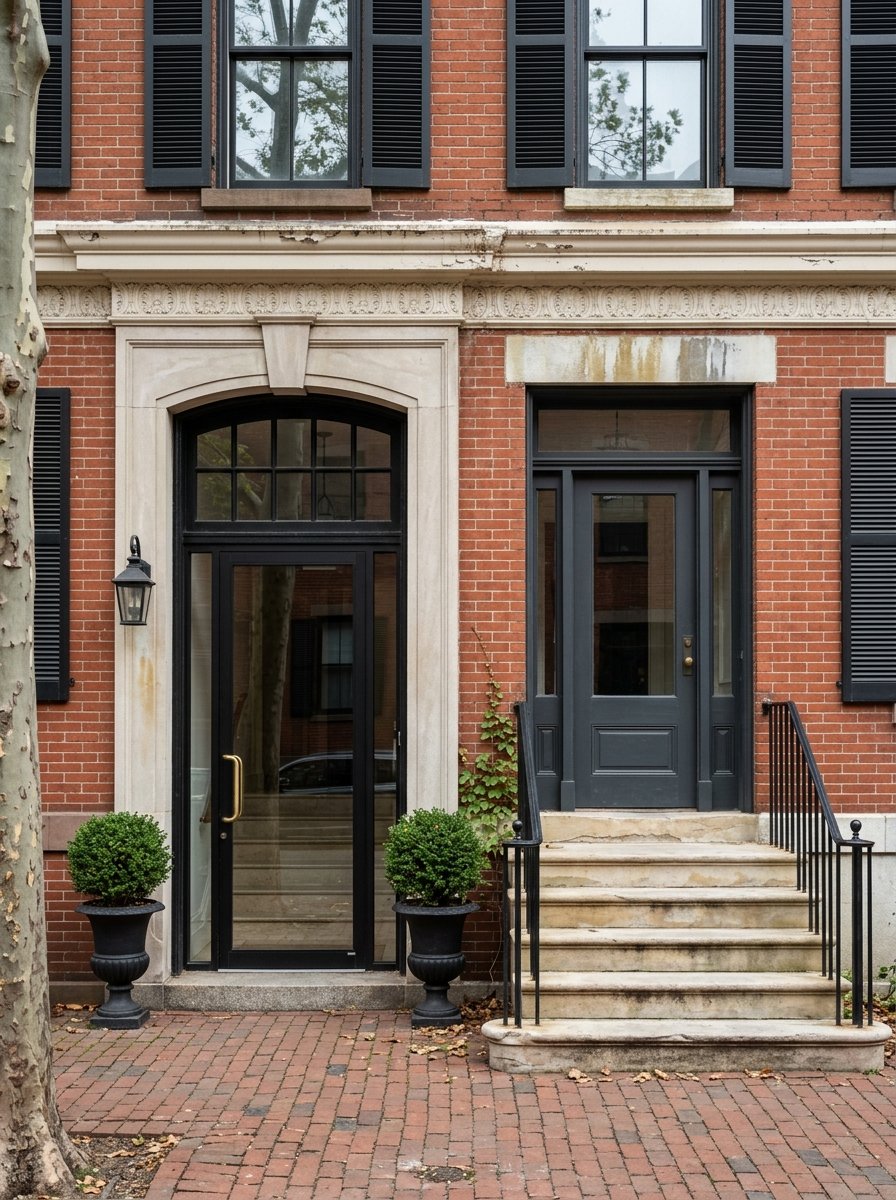
The neighborhood’s physical form plays a big role in how homes feel here. The Mount Vernon Historic District covers about 40 city blocks and includes more than 1,100 buildings, with fewer than 40 considered non-contributing. That consistency helps explain why the area feels so visually cohesive and distinctly historic.
Mount Vernon is also dense by design. Many historic buildings sit close to the sidewalk, with private open space typically at the rear, which creates the strong street presence and urban rhythm buyers often notice right away.
A condo in Mount Vernon often appeals to buyers who want a simpler ownership model. Under Maryland’s Condominium Act, the council of unit owners is generally responsible for maintaining, repairing, and replacing common elements, while individual owners are responsible for their own units unless the declaration or bylaws say otherwise.
That setup can make maintenance feel more predictable. In practical terms, many exterior items and shared systems are handled collectively, which can be attractive if you want less hands-on upkeep.
Condo buildings in and around Mount Vernon also tend to offer features that support easier daily living. Depending on the building, that may include elevators, concierge service, parking, package receiving, intercom entry, on-site maintenance, bike storage, fitness space, or clubroom-style common areas.
The Belvedere Grand Condominium is one example of Mount Vernon’s condo profile. Its units include efficiency, one-bedroom, and two-bedroom layouts, and the building is known for high ceilings, fireplaces, architectural details, parking, concierge service, and on-site dining and retail.
Other nearby multi-family buildings show the same amenity-forward pattern. The Mount Royal advertises parking options, a fitness center, clubroom, study lounge, and bike room, while Waterloo Place advertises elevators, garage parking, intercom entry, package receiving, on-site maintenance, and a fitness center.
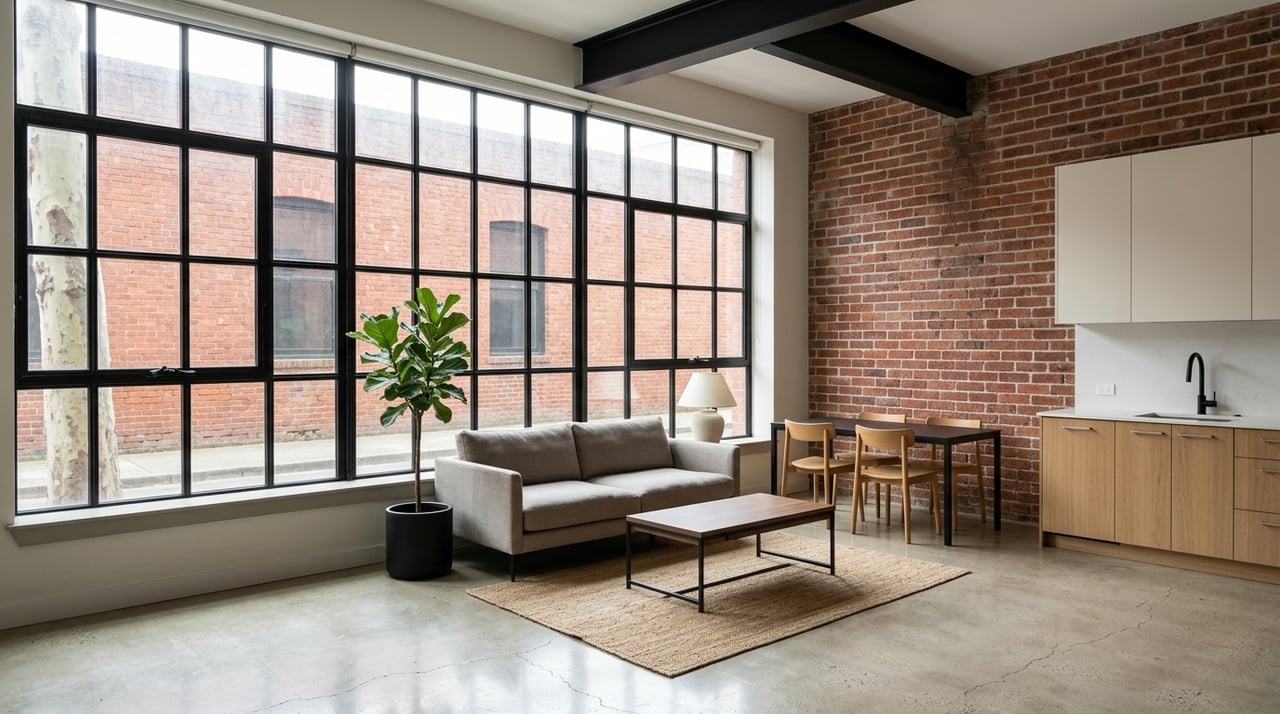
For many buyers, this means condo inventory often works well as a lower-maintenance home base. Layouts frequently skew toward efficient one- and two-bedroom homes in converted historic buildings.
Historic walk-ups and townhomes usually offer a different kind of appeal. Instead of emphasizing shared amenities, they often deliver more architectural character, more vertical separation, and a more house-like feel.
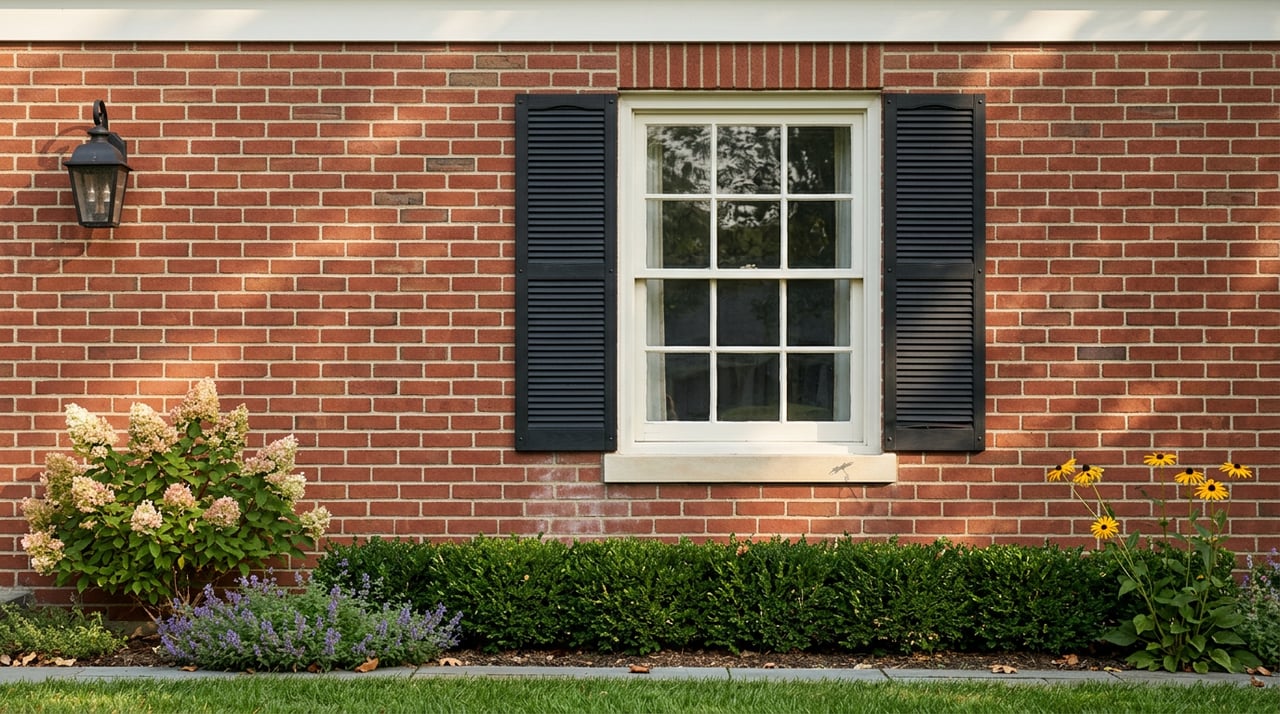
CHAP’s design guidance for historic Baltimore properties helps explain why. Older interiors often preserve original stairs, tall windows, traditional room proportions, and vertical floor plans rather than open layouts. In many rowhomes, curved walls and room-by-room separation are part of the charm.
If you love the feeling of a home with history, this can be a major advantage. You may get details and proportions that are hard to find in a more standardized condo layout.
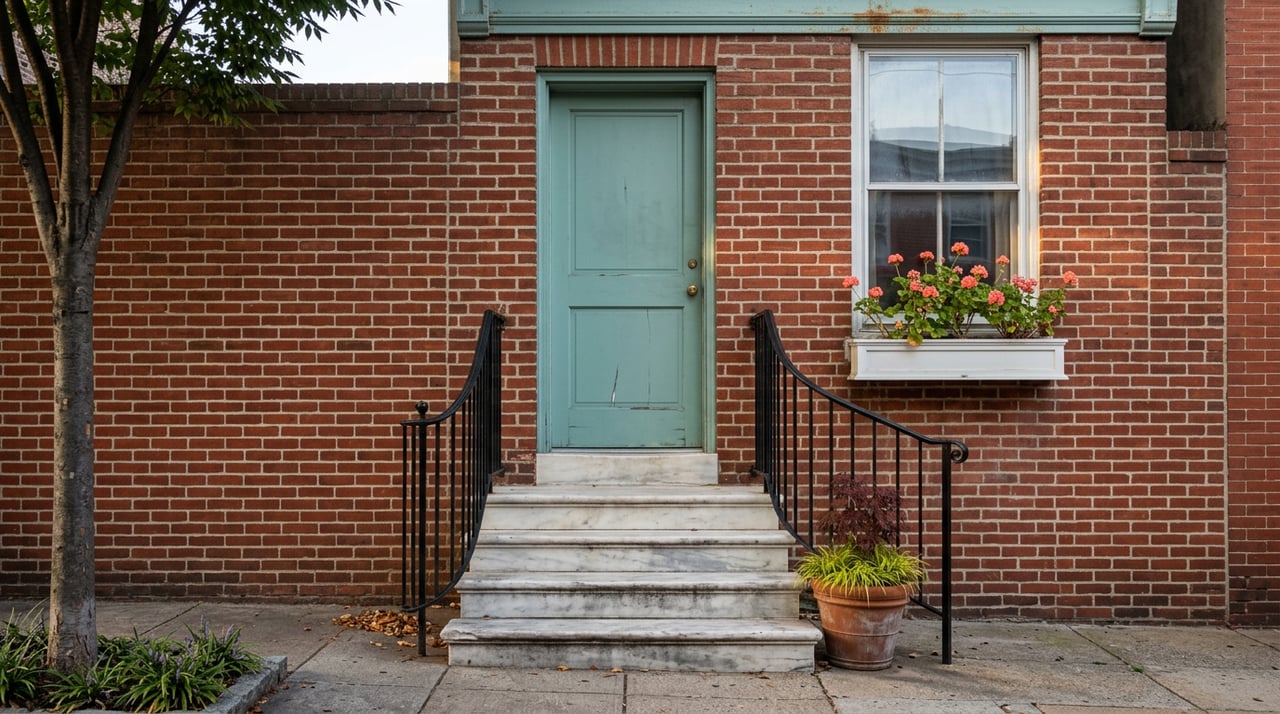
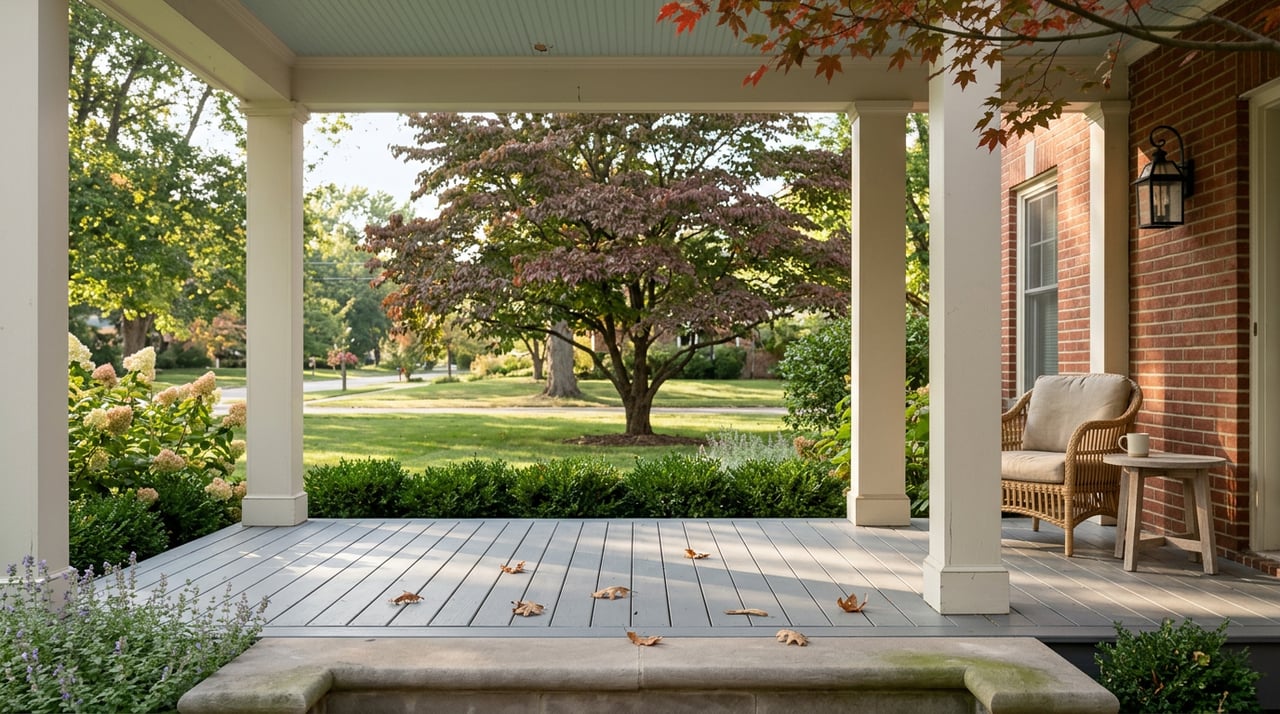
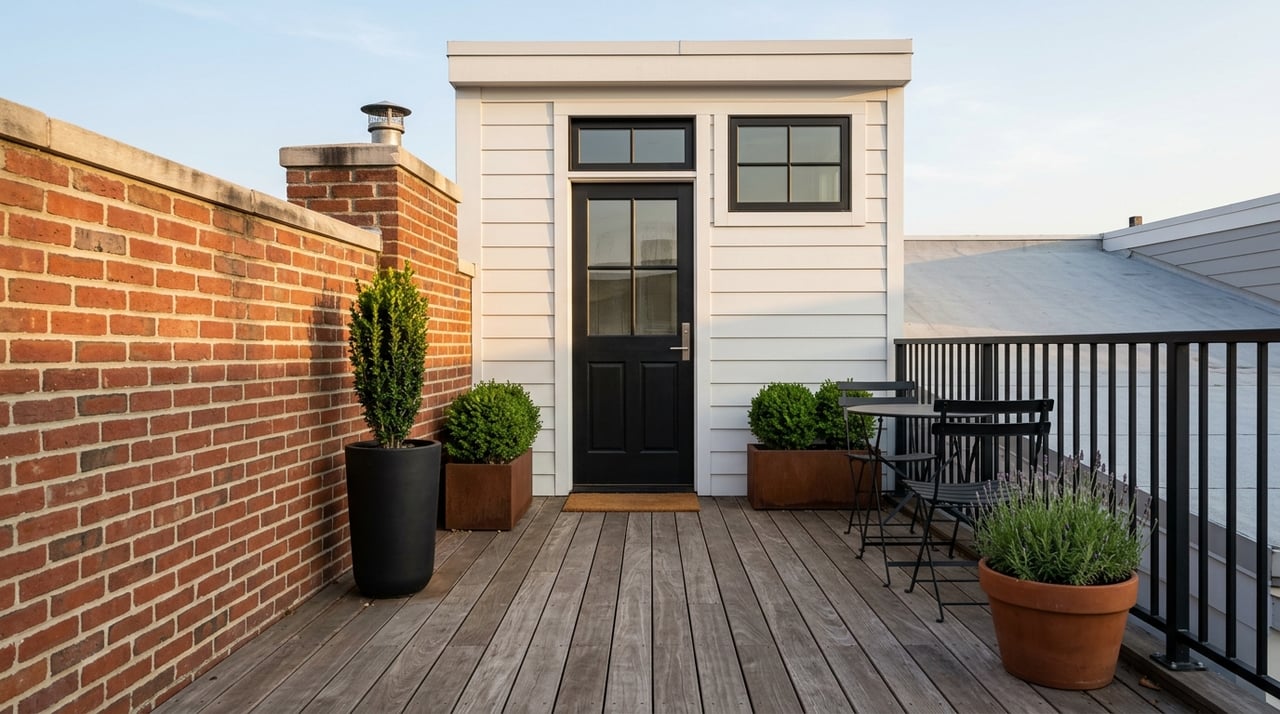
Historic properties in Mount Vernon often come with more design rules, especially for exterior changes. CHAP guidance says roof decks should not be visible from the street, rear access is preferred, rooftop pop-ups are generally not recommended on historically residential properties, and porches, steps, and railings are generally expected to be repaired or replaced in kind.
Windows are another good example of the tradeoff. Baltimore’s preservation guidelines say historic windows should usually be repaired rather than replaced, and that weather-stripping or storm windows can improve efficiency at a lower cost than full replacement.
In other words, a historic walk-up or townhome may give you more original character, but it can also require more care and more attention to preservation rules.
The best choice usually comes down to how you want to live, not which option is objectively better. In Mount Vernon, condos and historic walk-ups solve different problems.
If you want a smoother move, less day-to-day upkeep, and easier logistics, a condo may be the better fit. If you want more architectural personality, more separation between rooms, and a stronger sense of living in a classic Baltimore building, a historic walk-up or townhome may be more your speed.
In Mount Vernon, the fine print matters. The neighborhood’s historic district rules and condo ownership structure can affect your costs, flexibility, and daily routine more than you might expect.
If you are comparing options, focus on practical questions early in your search.
If you are moving to Baltimore for a healthcare, university, or corporate role, Mount Vernon can make a strong first landing spot. Its walkability, transit access, and proximity to downtown, museums, restaurants, and performance venues make it especially practical for buyers who want to stay connected without relying heavily on a car.
That said, relocation buyers often have tighter timelines and less room for trial and error. A condo may support a quicker, lower-friction move, while a historic walk-up or townhome may be worth the extra effort if character and layout matter most to you.
The right answer depends on your routine. If convenience leads your list, a condo may check more boxes. If living in a space with historic personality is the goal, a walk-up or townhome may feel far more rewarding.
When clients compare Mount Vernon condos vs historic walk-ups, I usually suggest starting with lifestyle filters before looking at finishes. That keeps the search focused on how you actually want to live in the space.
Begin with these priorities:
Once those basics are clear, the right options usually become much easier to spot.
Mount Vernon offers both convenience and character, but rarely in the exact same package. If you want help comparing specific buildings, understanding tradeoffs, or narrowing your search around your commute and lifestyle, Elise Brennan can help you make a confident move.
Experience unmatched dedication, market expertise, and a personalized approach to buying or selling your home. Since 2012, she has built a trusted reputation in the Baltimore metro area, forging strong community connections and delivering proven results. Whether you’re a buyer or seller, She combines strategic insight, local knowledge, and exceptional service to achieve your real estate goals.