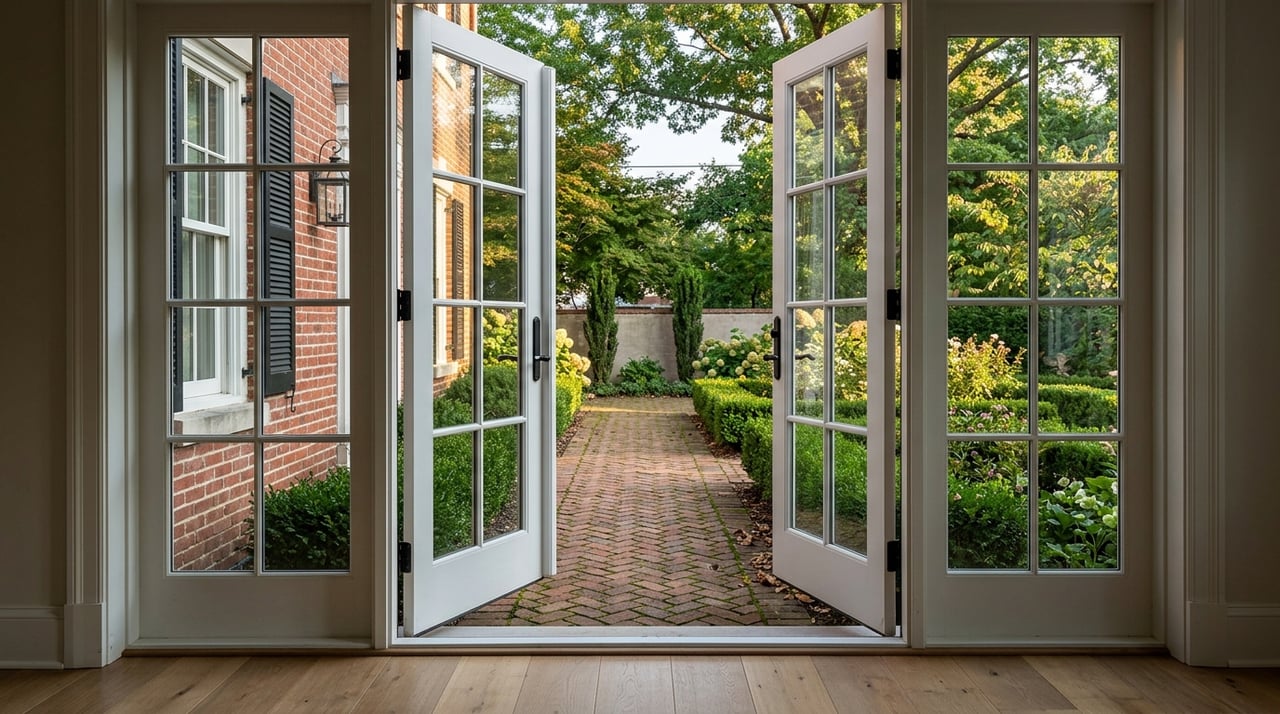
Guilford Baltimore Neighborhood Guide to Homes & Gardens
June 18, 2026
June 18, 2026
Wondering why Guilford feels so distinct from other Baltimore neighborhoods? The answer is not just the homes, and it is not just the gardens. It is the way architecture, landscape design, and preservation have worked together for more than a century to create a neighborhood with a clear identity. If you are exploring North Baltimore or trying to understand what makes Guilford special, this guide will walk you through its design, daily feel, and lasting appeal. Let’s dive in.
Guilford is a planned residential subdivision of about 210 acres in northeast Baltimore City. According to the Maryland Historical Trust, the Roland Park Company acquired the property in 1911, first lots were sold in 1913, and development was largely complete by 1950. The neighborhood was later listed in the National Register of Historic Places in 2001.
That history still shapes how Guilford looks and feels today. The Guilford Association notes that the neighborhood continues to be governed through the Deed and Agreement, which helps maintain its residential character and architectural consistency. For buyers and homeowners, that preservation-first approach is a big part of the neighborhood’s identity.
Frederick Law Olmsted, Jr. directed the landscape plan for Guilford. His influence shows up in curving streets, preserved topography, mature vegetation, and a layout that feels more park-like than grid-based.
This is one reason Guilford feels so green even beyond its best-known public spaces. The original planning emphasized community parks, private parks, village greens, and a streetscape that works with the land rather than flattening it. In practical terms, that creates a neighborhood experience shaped as much by the setting as by the houses themselves.
In many neighborhoods, homes are the main visual feature. In Guilford, the streets themselves play a major role in the experience of the area. Curving roads, planted medians, and mature trees create a softer, more landscaped feel from one block to the next.
That design also helps explain why Guilford often feels cohesive without feeling repetitive. You are not just seeing one home after another. You are moving through a carefully planned environment where architecture and open space were intended to complement each other.
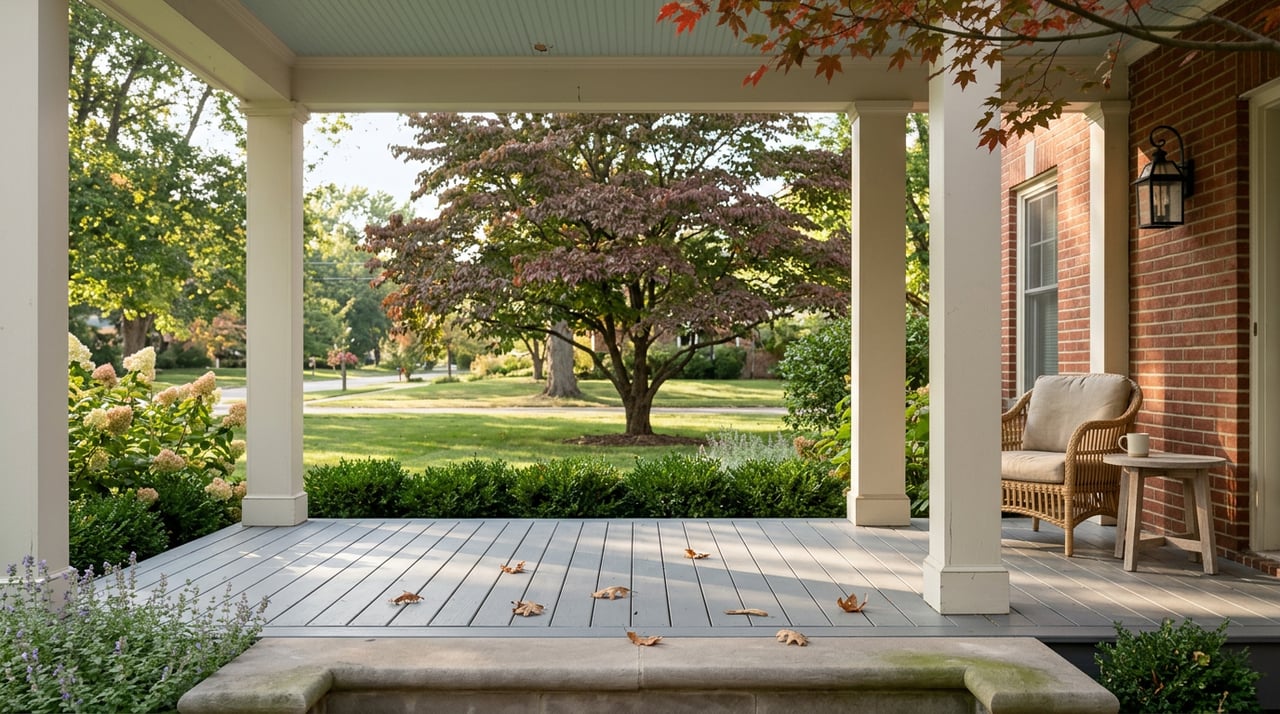
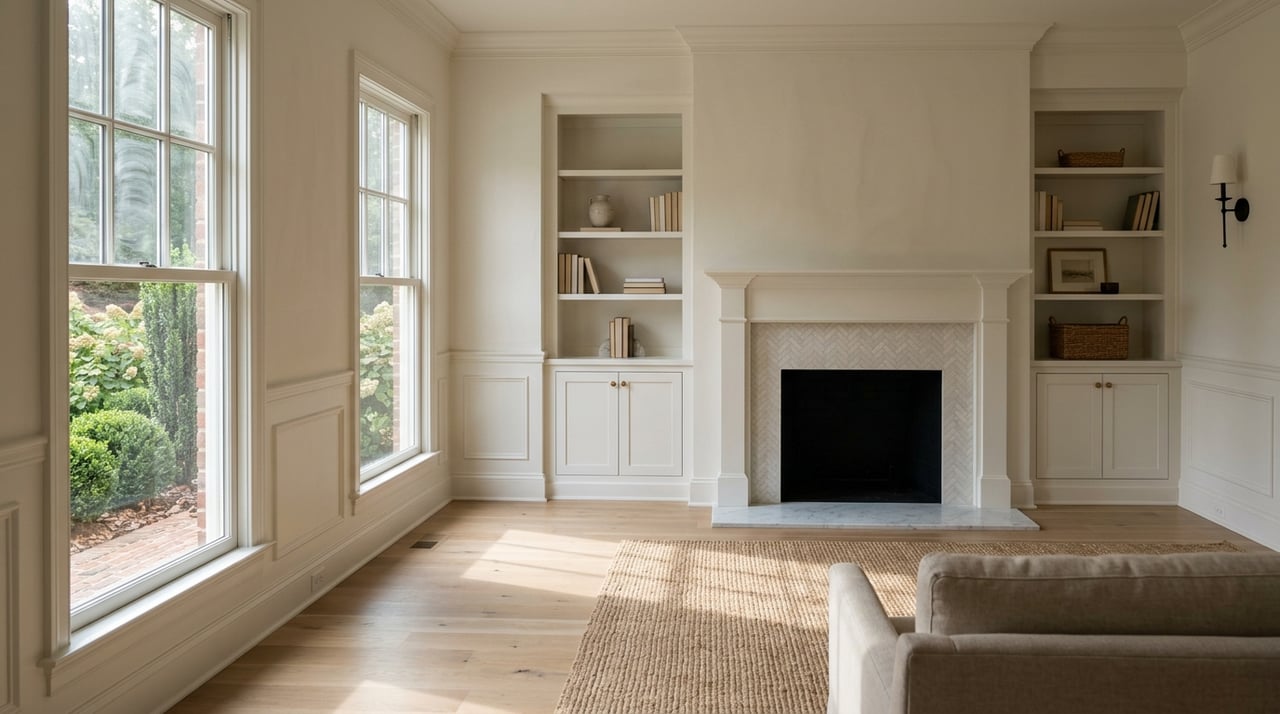
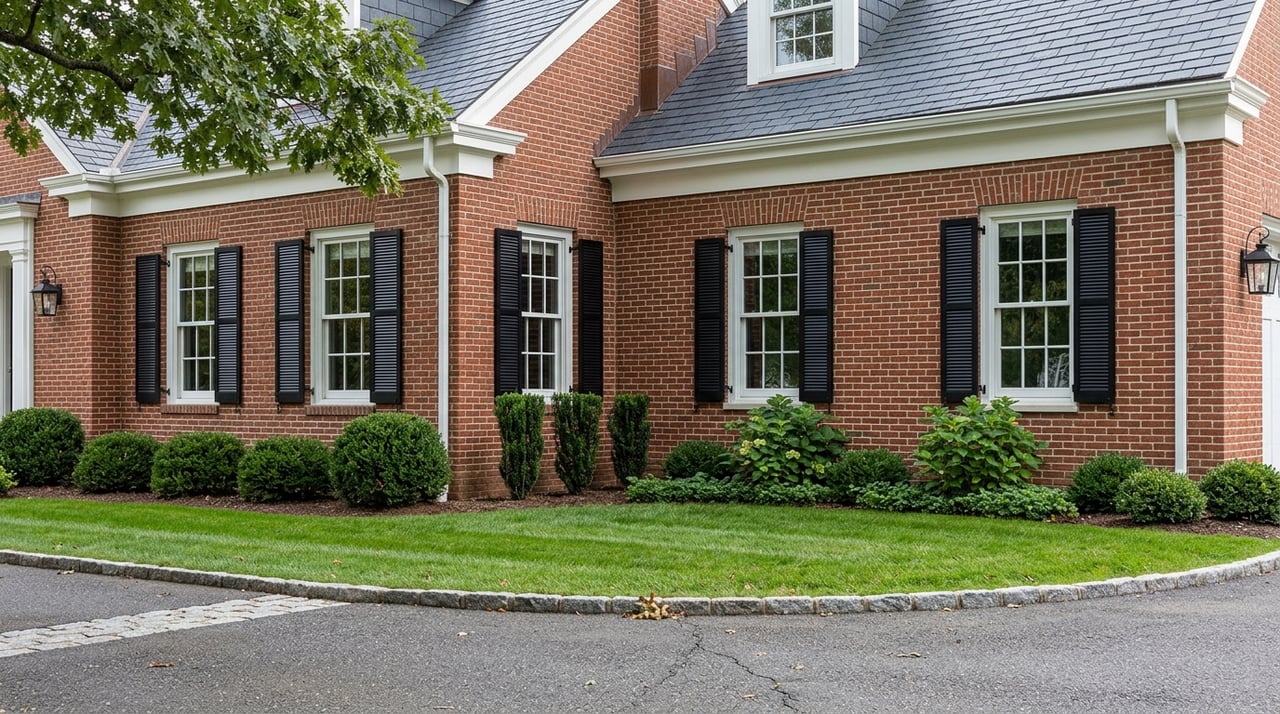
Guilford is known for mostly detached single-family homes that range from smaller cottages to larger estate-style residences. The National Register description points to a large concentration of early-20th-century revival houses, with colonial prototypes being the most common.
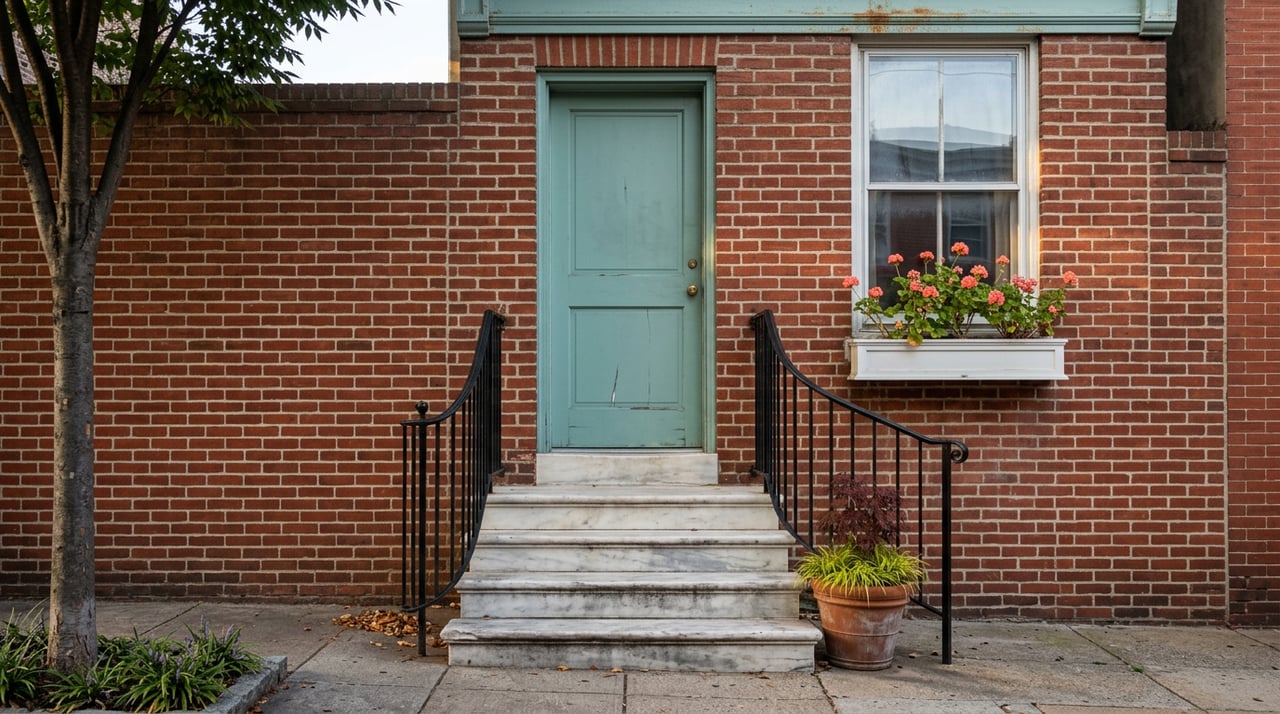
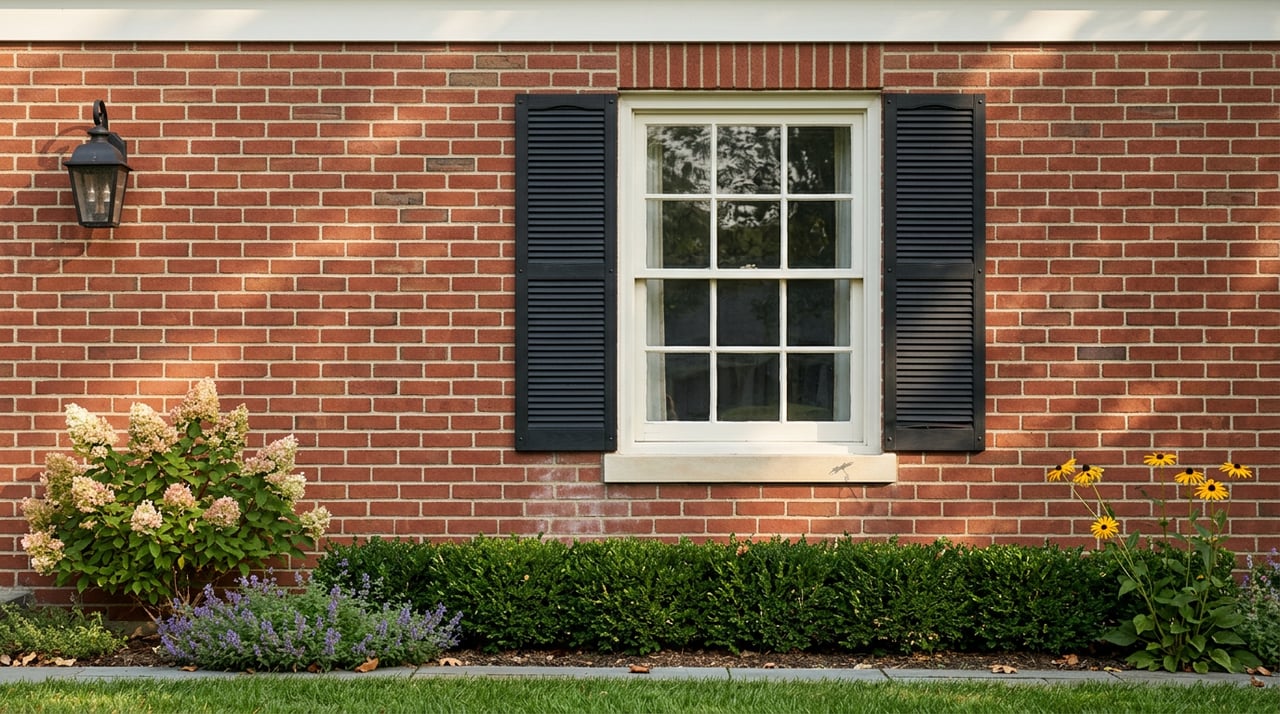
You will also find many Tudor Revival homes, along with English vernacular and Arts-and-Crafts influences. Additional Renaissance Revival examples add even more variety. Common exterior materials include brick, stone, and stucco, which contribute to the neighborhood’s substantial and lasting appearance.
While Guilford does not follow one single house style, several features appear again and again across the neighborhood:
This mix helps Guilford feel architecturally rich without losing cohesion. The homes are varied, but they still belong to the same broader design story.
One of Guilford’s most interesting qualities is its balance of variety and consistency. Baltimore Heritage notes that the first homes at Chancery Square and Bretton Place were designed with an English-village look, including Tudor Revival forms, brick chimneys, steep slate roofs, half-timbering, and carefully composed greens and cul-de-sacs.
Baltimore Heritage also reports that Edward L. Palmer and Palmer & Lamdin designed more than 150 Guilford homes. That level of involvement by a few influential designers helps explain why the neighborhood can feel unified even though the houses are not identical.
The Guilford Association names several prominent architects connected to the neighborhood, including Edward L. Palmer, Bayard Turnbull, John Russell Pope, W.D. Lamdin, and Laurence Hall Fowler. Their combined work gave Guilford a broad architectural vocabulary while keeping the overall tone refined and consistent.
For you as a buyer or homeowner, this means Guilford often feels like a neighborhood of individually designed homes rather than a development of repeating models. That distinction is part of what gives the area its long-term visual appeal.
When people think of garden living in Guilford, Sherwood Gardens usually comes to mind first. That makes sense, but the neighborhood’s landscape identity goes well beyond one landmark space.
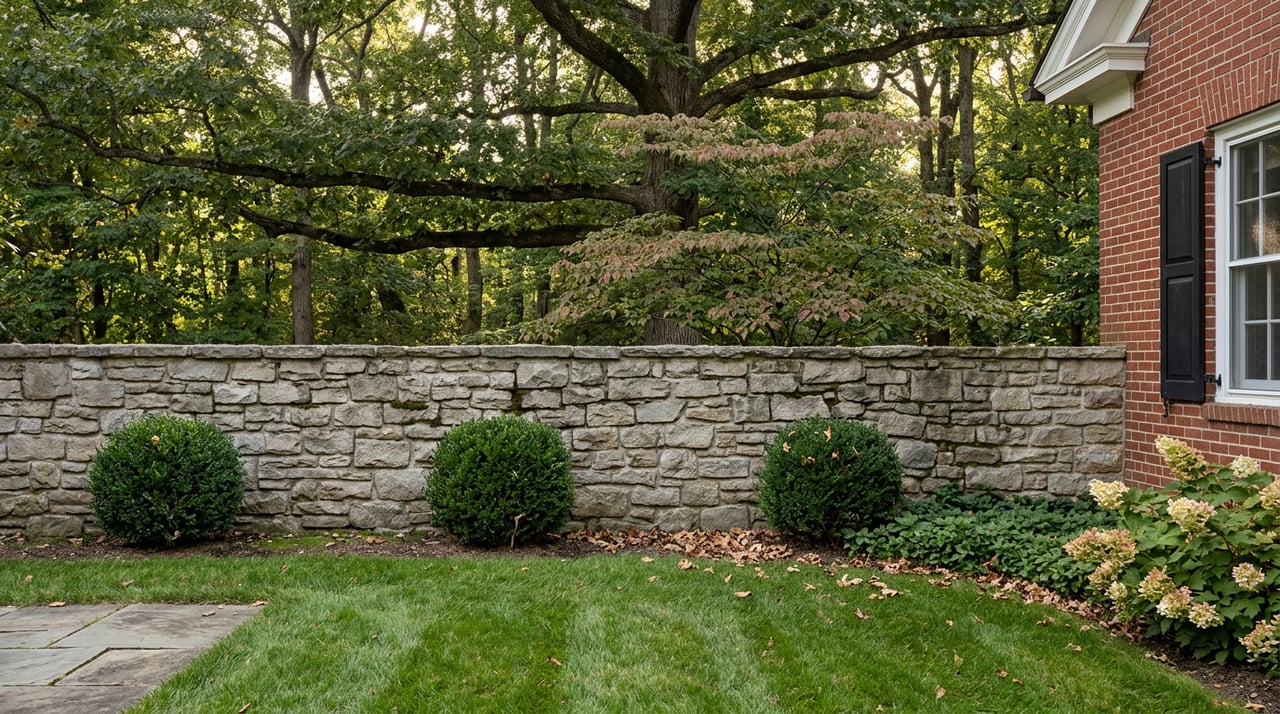
Live Baltimore describes Guilford as having mature trees and period streetlights, while Guilford’s historic planning emphasizes green space as a core element of the neighborhood. In other words, the garden-living story is woven into the streets, parks, and residential setting itself.
Sherwood Gardens is Guilford’s signature green space. Its official history explains that John Sherwood opened the garden to the public in 1930 after visitors began wandering in on their own, and the site was later preserved with help from the Guilford Association and a dedicated foundation.
Today, it remains a private park open to the public from dawn to dusk year-round. Maintenance depends on donations rather than city funding. The garden is especially known for its spring display, with tens of thousands of tulip bulbs and other spring-flowering bulbs creating one of the neighborhood’s best-known seasonal traditions.
Guilford’s garden identity is also supported by the Guilford Garden Club. Founded in 1925, the club has long focused on gardening knowledge, native plants and birds, conservation, civic planting, and projects that enhance Guilford’s historic areas.
Its work includes native-plant teaching gardens, civic plantings, and garden tours. That kind of long-running civic involvement helps explain why Guilford’s landscape character feels sustained rather than accidental.
Guilford often appeals to people who want a residential setting with strong access to major Baltimore institutions. The Guilford Association describes the neighborhood as minutes from Johns Hopkins University’s Homewood campus, Loyola University Maryland, Notre Dame of Maryland University, the Baltimore Museum of Art, nearby restaurants, and downtown Baltimore.
That location gives Guilford a connected feel without taking away from its residential atmosphere. You get a neighborhood known for preservation and green space while staying close to cultural, academic, and urban amenities.
Johns Hopkins describes Homewood as a 140-acre North Baltimore campus, and the Baltimore Museum of Art is also nearby. Together, these anchors help place Guilford within a broader North Baltimore cluster of established neighborhoods, institutions, and cultural destinations.
For relocation buyers in particular, this can be a meaningful advantage. Guilford offers a historic setting, but it does not feel isolated from the rest of the city.
If you are visiting Guilford for the first time, a few qualities tend to stand out quickly:
These details shape first impressions, but they also support long-term value in how the neighborhood presents itself. Guilford’s appeal is visual, historical, and practical all at once.
Guilford stands out because it combines several strengths that are not always found together. It offers planned historic character, individually designed early-20th-century homes, strong landscape identity, and access to major cultural and educational institutions.
Just as important, these features are not recent additions. They are part of the neighborhood’s original design and long-term stewardship. That continuity gives Guilford a sense of place that feels both established and intentional.
If you are considering buying or selling in Guilford, neighborhood knowledge matters. From architectural style and preservation context to the lifestyle that comes with a garden-centered setting, understanding the details can help you make a more confident move. To talk through Guilford homes, valuation, or your next step in North Baltimore, connect with Elise Brennan.
Experience unmatched dedication, market expertise, and a personalized approach to buying or selling your home. Since 2012, she has built a trusted reputation in the Baltimore metro area, forging strong community connections and delivering proven results. Whether you’re a buyer or seller, She combines strategic insight, local knowledge, and exceptional service to achieve your real estate goals.