Living in Roland Park Baltimore: Historic Charm & Daily Life
May 21, 2026
May 21, 2026
If you are looking for a Baltimore neighborhood that feels both established and livable, Roland Park stands out right away. Its tree-lined roads, historic homes, and compact village-style amenities give it a rhythm that feels different from many city neighborhoods. Whether you are relocating, buying a home with character, or simply trying to understand the area better, this guide will show you what daily life in Roland Park actually looks like. Let’s dive in.
Roland Park began in 1891 as a planned residential district in northwest Baltimore. According to the Maryland Historical Trust, the historic district includes 1,068 structures and was listed on the National Register in 1974. From the start, the neighborhood was designed as a cohesive residential environment rather than a collection of unrelated streets.
That planning still shapes how the neighborhood feels today. Early planners worked with the land’s hills, woods, and natural contours instead of flattening the site. As a result, the roads curve with the landscape, and the setting feels intentional, green, and connected to the terrain.
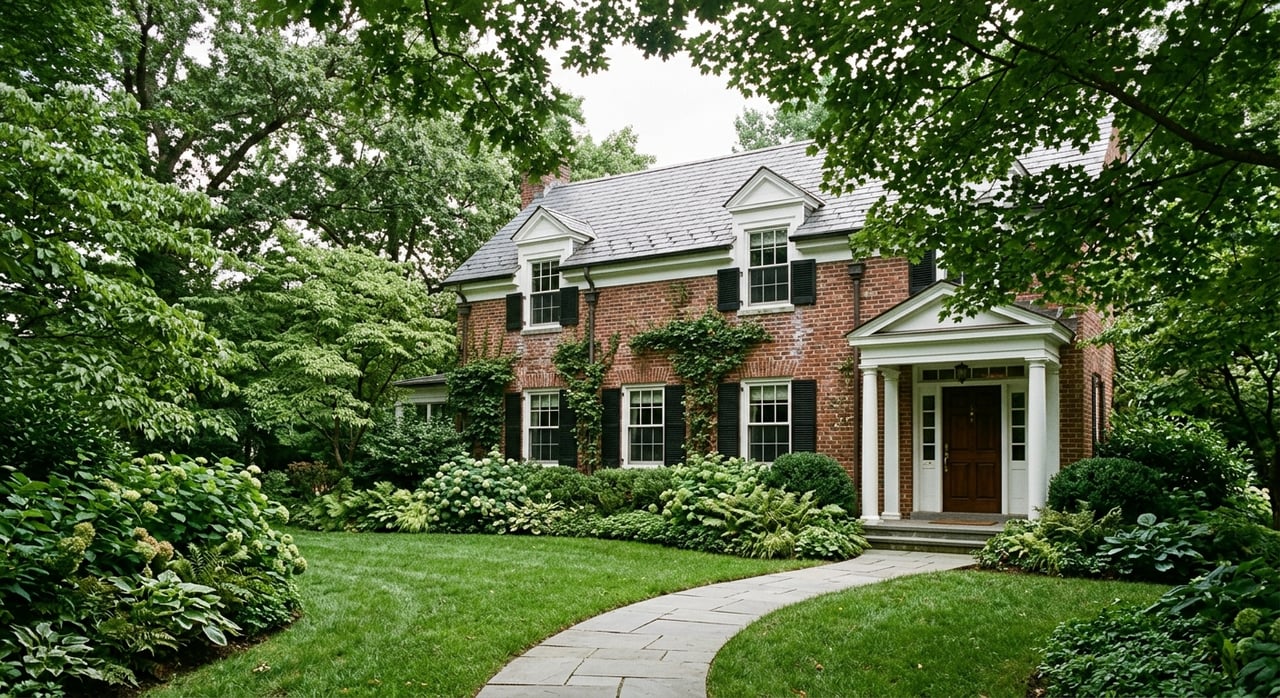
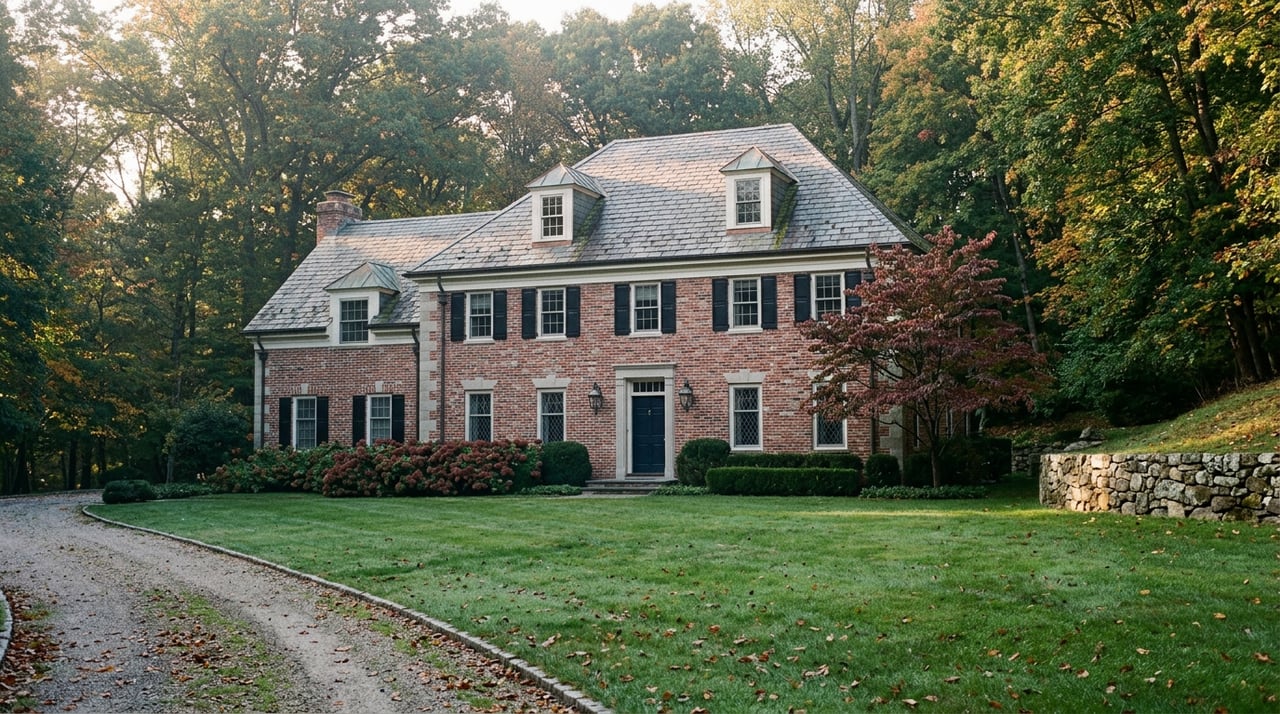
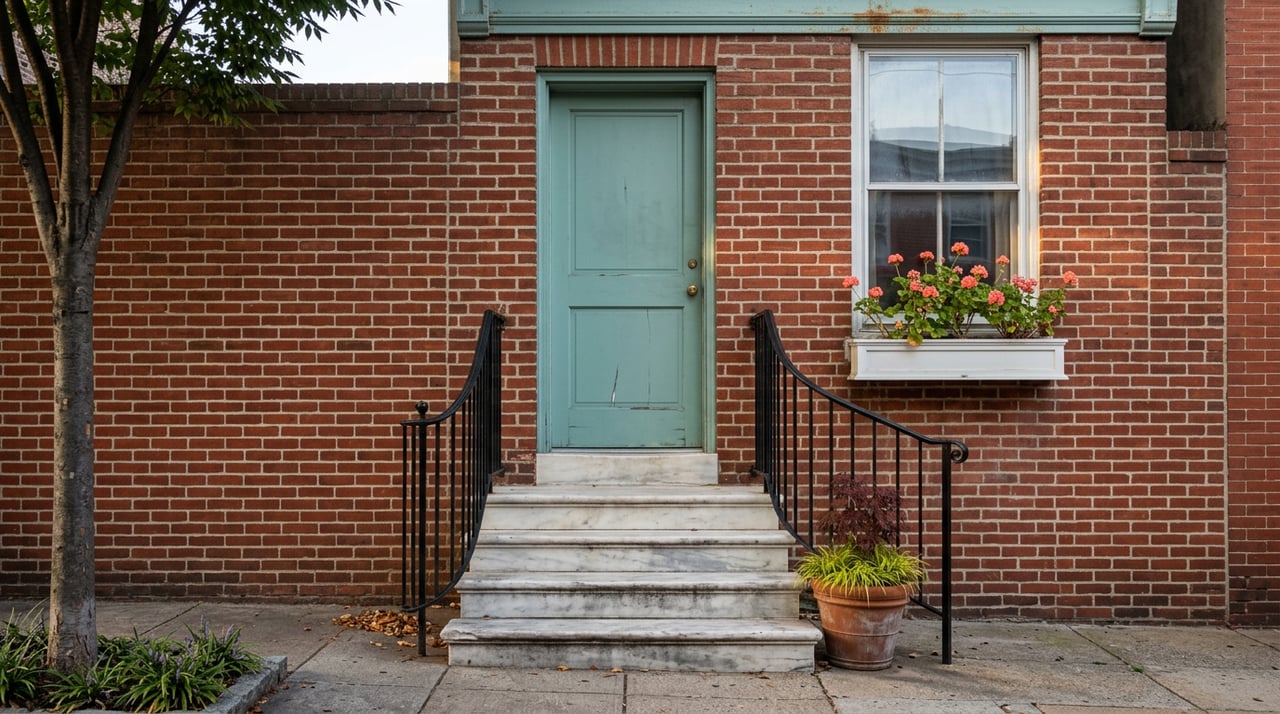
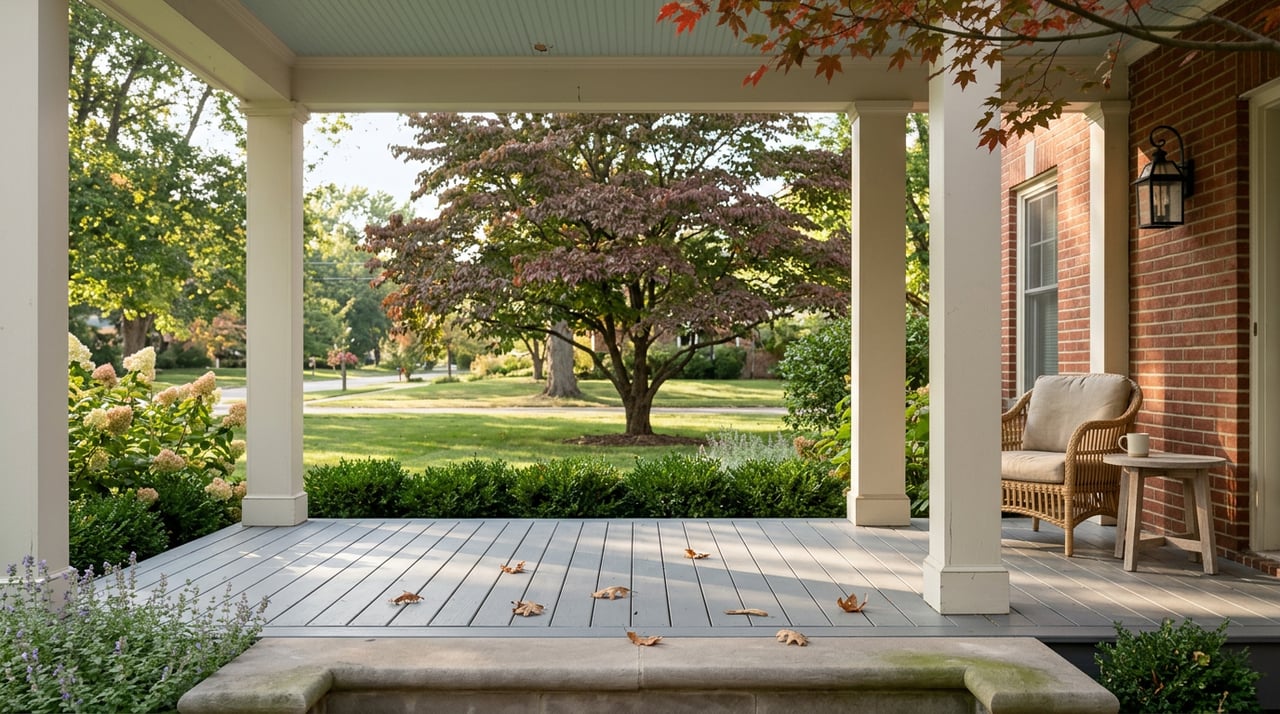
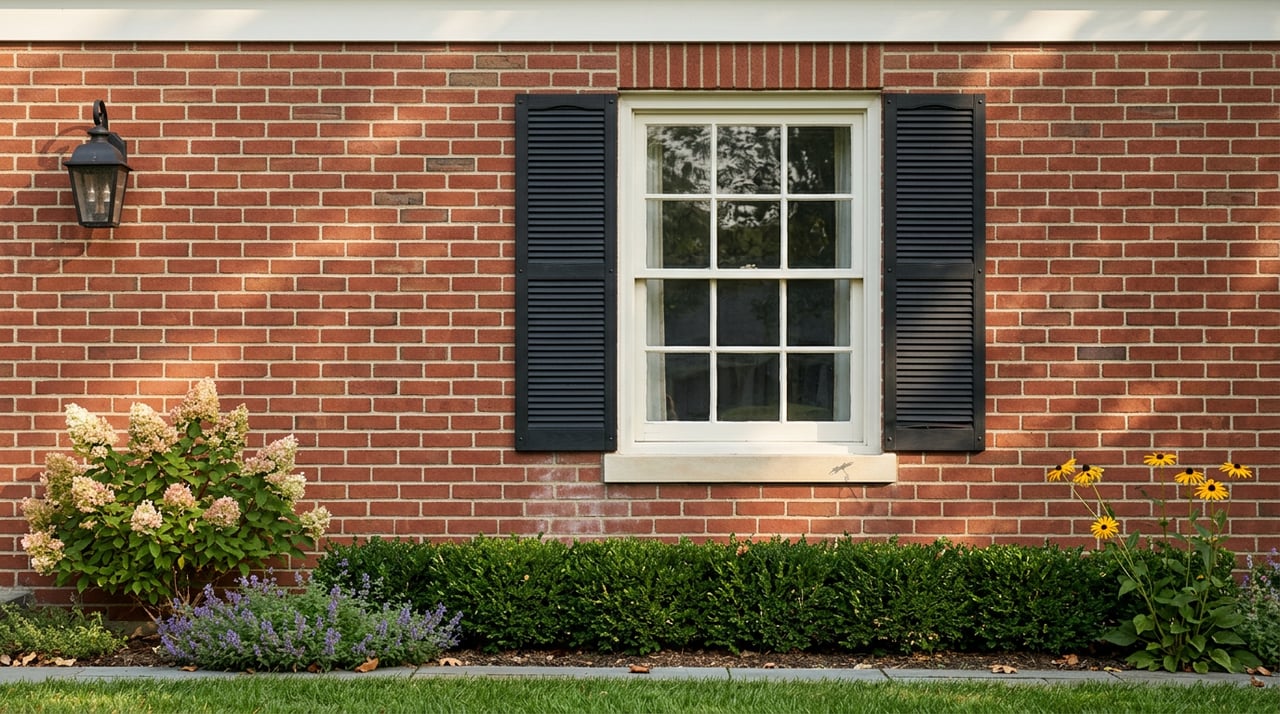
One of Roland Park’s strongest draws is its housing character. The neighborhood is known for late-19th- and early-20th-century architecture, especially Queen Anne, English Tudor, Georgian, and Shingle styles. If you value homes with visual detail and a strong sense of place, Roland Park offers a distinct architectural identity.
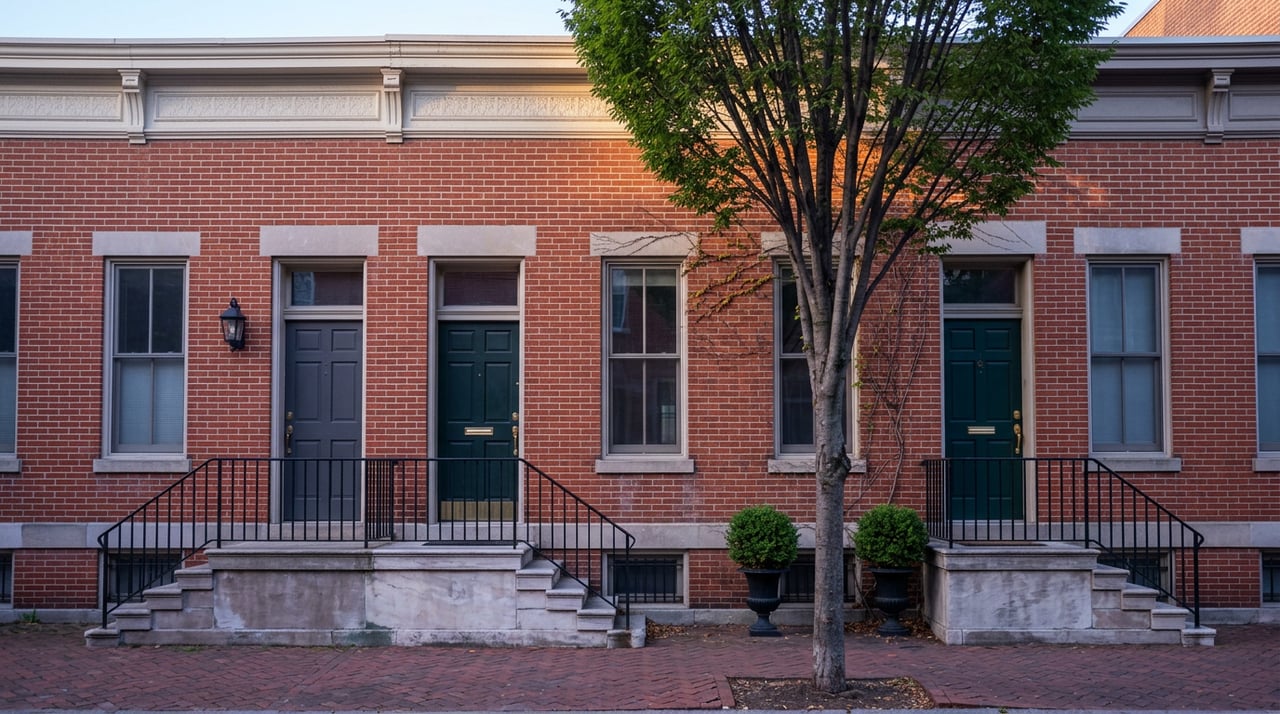
Freestanding single-family homes are the most common property type, but that is not the whole story. Original planning also included duplexes, rowhouses, and apartments, mostly on the edges of the neighborhood. This mix helped support a residential district with both architectural variety and a clear overall design language.
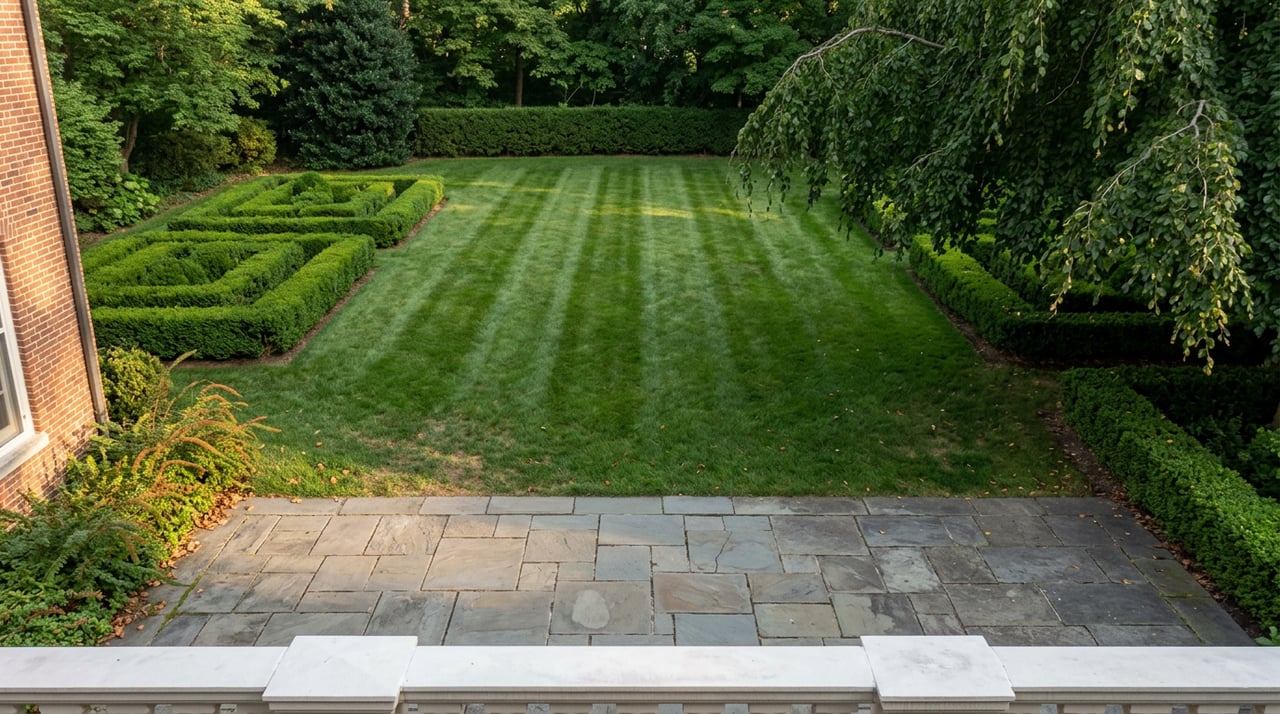
The park-like setting is part of that identity too. Open front yards, hedges, and restrained outbuildings were built into the neighborhood’s original vision. Even today, those design choices help create a sense of continuity from one block to the next.
Roland Park is often described as historic, but that does not mean it functions like a frozen museum. The neighborhood maintains a preservation-first mindset while still allowing compatible changes over time. That balance matters if you are considering buying an older home and want to understand how the area evolves.
The Civic League notes that Roland Park is not a strict historic preservation zone. Compatible alterations are allowed, which gives owners room to update properties while respecting the neighborhood’s established character. A Roads and Maintenance Corporation also continues to oversee covenants and shared spaces such as footpaths, medians, and traffic islands.
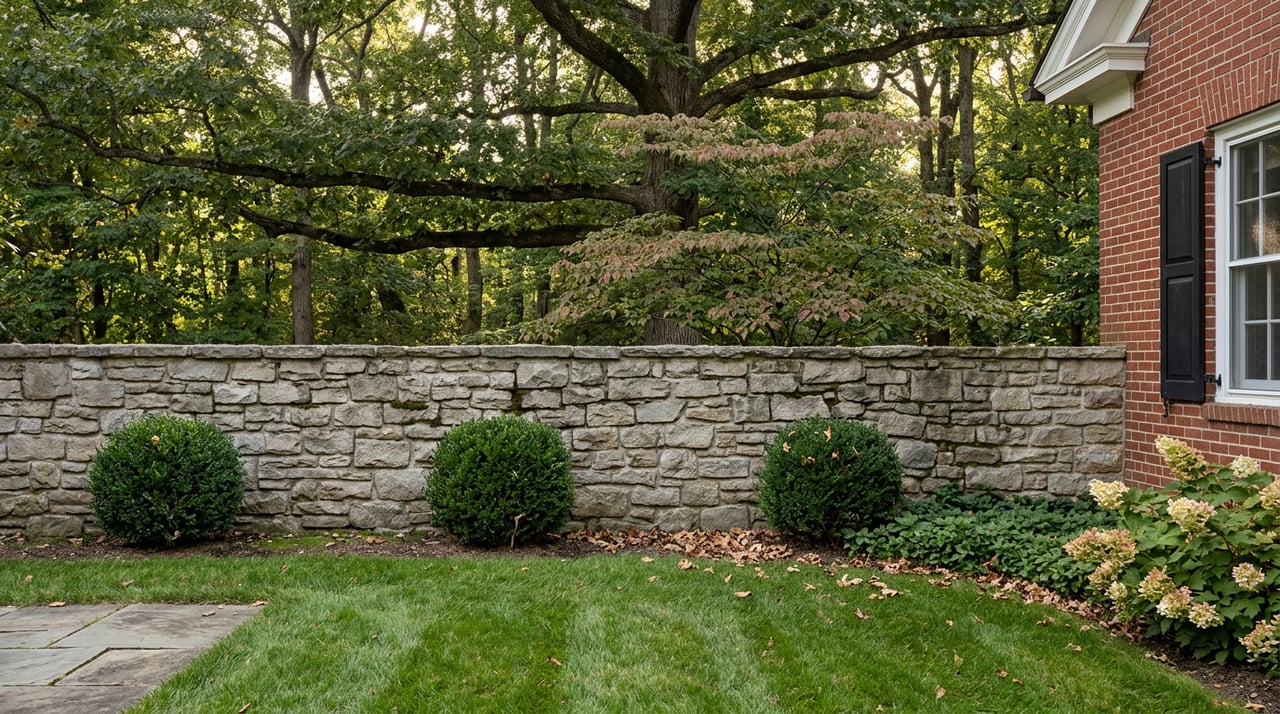
In Roland Park, landscape is not just background scenery. It is part of how you move through the neighborhood and how the neighborhood functions every day. The curving roads, wooded edges, and maintained common spaces make outdoor life feel built into the routine.
The National Park Service notes that Olmsted Jr. preserved woodlands, used sensitive grading, and routed roads to follow the natural curves of the land. That planning approach still influences the neighborhood’s atmosphere. You notice it in the views, the street patterns, and the way homes sit within the landscape.
The Stony Run Trail adds another layer to daily life. This 3-mile linear park acts as a non-motorized connector to the 7.75-mile Jones Falls Trail, as well as nearby historic neighborhoods, universities, schools, commercial districts, and parks. For many residents, that means walking and biking are not just recreational options. They can also be practical ways to move through this part of North Baltimore.
Roland Park’s green spaces feel maintained because they are maintained. The Roland Park Community Foundation, established in 1986, focuses on preserving and improving parks, streams, squares, trees, and other shared landscape features. Its work has included trail restoration, streetscape tree planting, and walking path improvements.
That ongoing stewardship adds to the neighborhood’s long-term appeal. Instead of relying only on original planning, the community continues to care for the spaces that define daily life. For buyers and homeowners alike, that kind of continuity can be a meaningful part of the neighborhood experience.
One reason Roland Park remains so functional is that many everyday needs are concentrated in walkable commercial nodes rather than spread across a large strip corridor. The Civic League says shops, the library, the post office, and the community pool are within walking distance for many residents. This setup supports a more local, village-like daily routine.
Neighborhood retail options include the Eddie’s block, the Roland Park Shopping Center, Wyndhurst Station, and nearby Cross Keys. Together, these areas provide access to groceries, dining, banking, salons, hardware, and other everyday services. For buyers comparing neighborhoods, that kind of convenience can make a real difference in how a place feels day to day.
The Roland Park Shopping Center also carries historic significance of its own. Built in 1894 by the Roland Park Company and designed by Wyatt and Nolting, it is described by SAH Archipedia as one of the earliest shopping centers in the United States. Its Tudor Revival styling was intended to make the retail block feel visually consistent with the surrounding residential suburb.
Some neighborhood features say a lot about how a place works beyond the housing stock. In Roland Park, the library and pool both contribute to that lived-in sense of community. They are practical amenities, but they also reinforce the area’s local identity.
The Roland Park Library first opened on June 10, 1924, after a community fundraising effort saved and expanded it. That history reflects a pattern seen throughout the neighborhood: residents have long invested in preserving shared assets that support daily life.
The Roland Park Pool adds a seasonal rhythm to the area. Located on Lawndale Avenue off Wyndhurst, it is open from Memorial Day weekend through Labor Day weekend and can be reached via the Stony Run Path. Its location and accessibility make it part of the neighborhood’s broader outdoor network rather than a disconnected amenity.
Schools are a meaningful part of how many buyers evaluate Roland Park. The neighborhood is served by Roland Park Elementary/Middle School, and nearby options listed by the Civic League include Baltimore Polytechnic Institute, Western High School, Roland Park Country School, and the Park School of Baltimore. If schools are part of your home search, it helps to review current enrollment, admissions, and boundary details directly with the relevant institutions.
Roland Park also benefits from its position near major North Baltimore institutions. Johns Hopkins describes Homewood as a 140-acre wooded campus in North Baltimore, Loyola University Maryland notes that its Evergreen Campus is located at 4501 North Charles Street, and MedStar Union Memorial serves as a regional specialty and teaching hospital in northeast Baltimore City. For relocating professionals, that proximity can make Roland Park especially appealing.
This is one reason the neighborhood often resonates with buyers connected to academic or medical work. You can be near major employment and institutional centers while still living in a neighborhood with a distinctly residential scale. That balance is not easy to find, and it helps explain Roland Park’s staying power.
Roland Park’s daily life is shaped by several elements working together. Historic architecture gives the neighborhood a strong visual identity, while curving streets and preserved green space create a calmer, more scenic setting. Village amenities, trails, and shared community assets make the neighborhood feel practical as well as beautiful.
For some buyers, the appeal is the housing character. For others, it is the ability to walk to errands, use nearby trails, or stay connected to major employers and institutions in North Baltimore. In reality, Roland Park’s long-term appeal comes from the combination of all of those factors.
If you are considering buying or selling in Roland Park, it helps to work with someone who understands how neighborhood history, housing style, and daily lifestyle fit together. That is especially true in a market where architectural detail, setting, and hyper-local context can shape value in meaningful ways.
If you want guidance on buying, selling, or understanding home values in Roland Park, Elise Brennan offers knowledgeable, personalized support grounded in Greater Baltimore neighborhood expertise.
Experience unmatched dedication, market expertise, and a personalized approach to buying or selling your home. Since 2012, she has built a trusted reputation in the Baltimore metro area, forging strong community connections and delivering proven results. Whether you’re a buyer or seller, She combines strategic insight, local knowledge, and exceptional service to achieve your real estate goals.