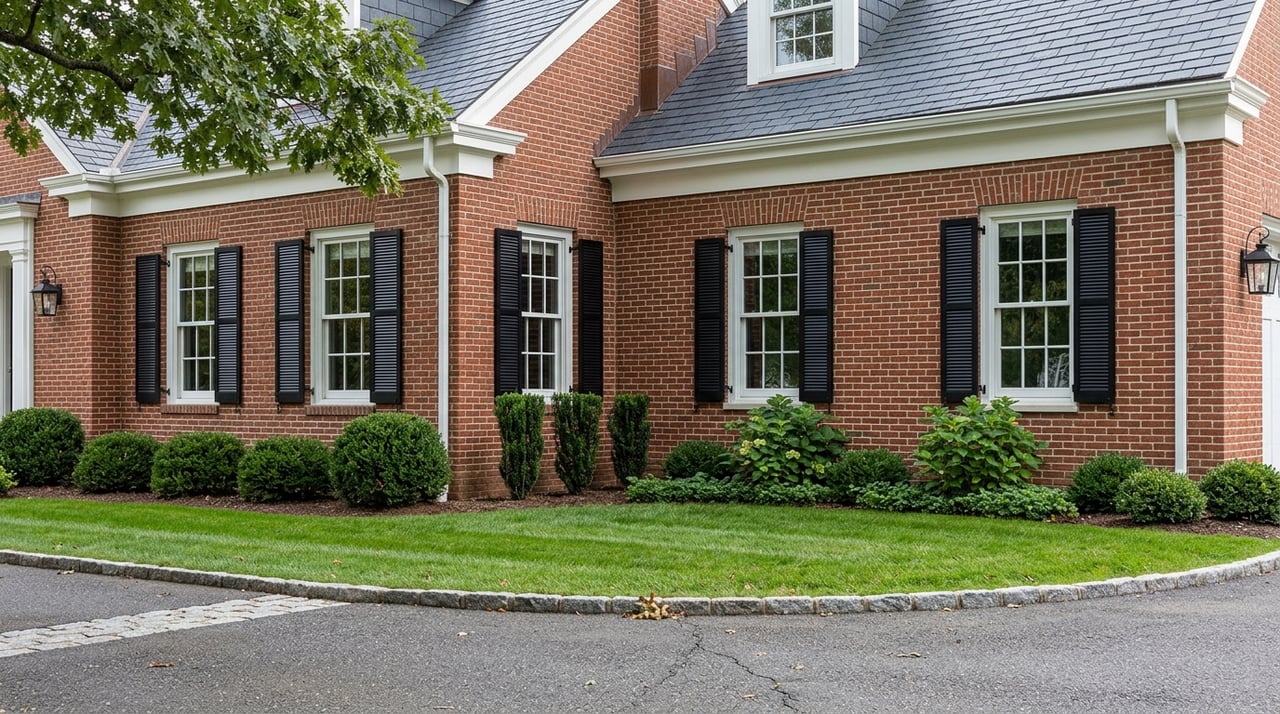
Homeland Baltimore Covenants for Homes Explained
June 25, 2026
June 25, 2026
If you are drawn to Homeland for its winding streets, mature trees, and distinctive homes, you are not alone. This Baltimore neighborhood offers a look and feel that many buyers and sellers want to protect, but that character comes with real rules and a more structured approval process than you may expect. If you are buying, selling, or planning updates in Homeland, understanding how covenants shape daily ownership can help you avoid surprises and make smarter decisions. Let’s dive in.
Homeland is a planned urban-suburban neighborhood in northern Baltimore City with nearly 1,000 homes. Its identity is closely tied to shared design features, including common areas, six decorative lakes, curving streets, and established landscaping.
That visual character was intentional from the start. The National Park Service notes that the Roland Park Company enlisted the Olmsted Brothers in 1924 to plan the suburb around existing landscape features, and the Maryland Historical Trust later recognized the Greater Homeland Historic District on the National Register in 2001.
For you as an owner or buyer, that means the neighborhood’s rules are about more than one house at a time. In practice, they work like a preservation framework for the broader streetscape.
In Homeland, covenants are not a casual set of suggestions. The Homeland Association requires a written application and written approval before any exterior change, including like-for-like replacement.
That point matters because many homeowners assume approval is only needed for major additions or visible redesigns. In Homeland, even a project that seems routine may still need review.
The Association also states that the materials listed in its standards are the only ones currently approved for use in Homeland. Applications are reviewed by the Architectural Committee, and the Board makes the final decision.
If you own in Homeland or hope to buy there, it helps to know which projects often trigger review. Many of the most common exterior updates fall under the approval process.
All exterior painting requires approval, even if you plan to repaint using the same color scheme. Colors are expected to harmonize with the home’s materials and the surrounding environment.
This can affect routine maintenance planning. If you are preparing a home for sale, repainting is not simply a contractor decision.
Original windows should be retained whenever possible. If replacement is needed, the new windows are expected to match the original appearance and materials.
The standards do not allow vinyl, aluminum-clad, vinyl-clad, plastic, tinted, or filmed windows. For buyers considering future upgrades, this is an important detail to review before you make an offer.
New or replacement fences require approval and are limited to 42 inches in height. Chain link, vinyl, aluminum, chicken wire, rabbit fencing, and similar materials are not allowed.
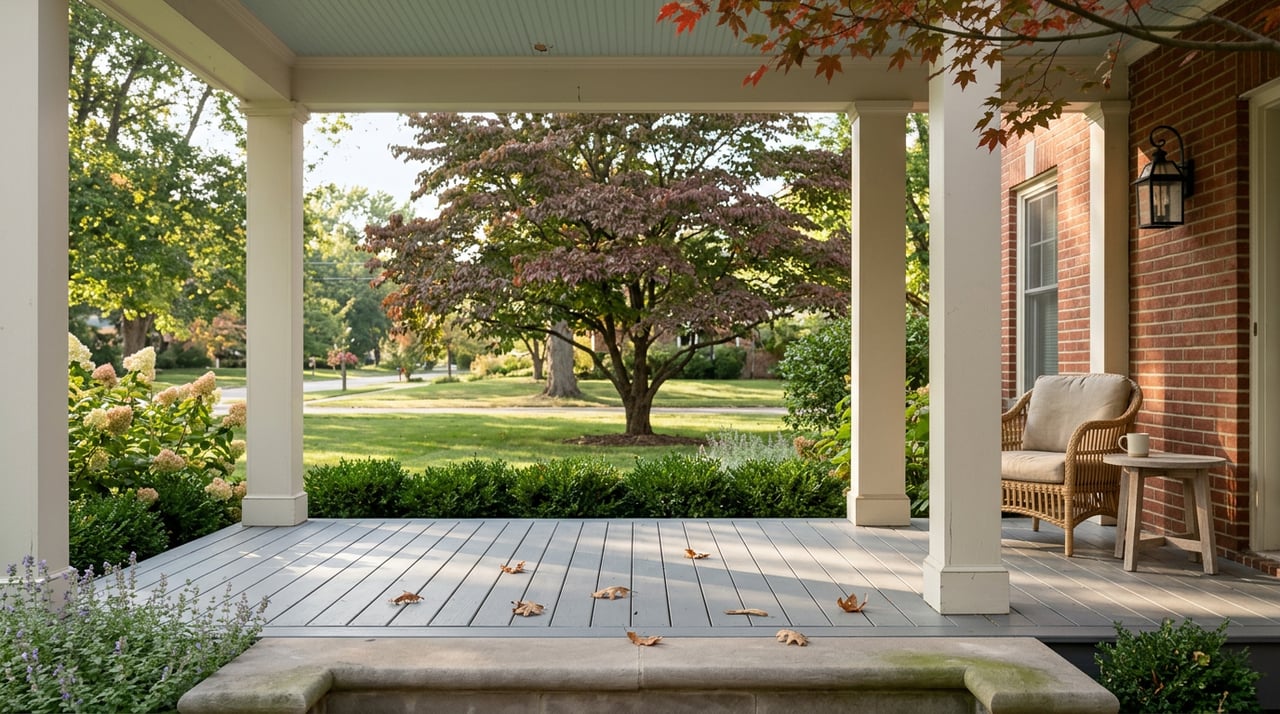
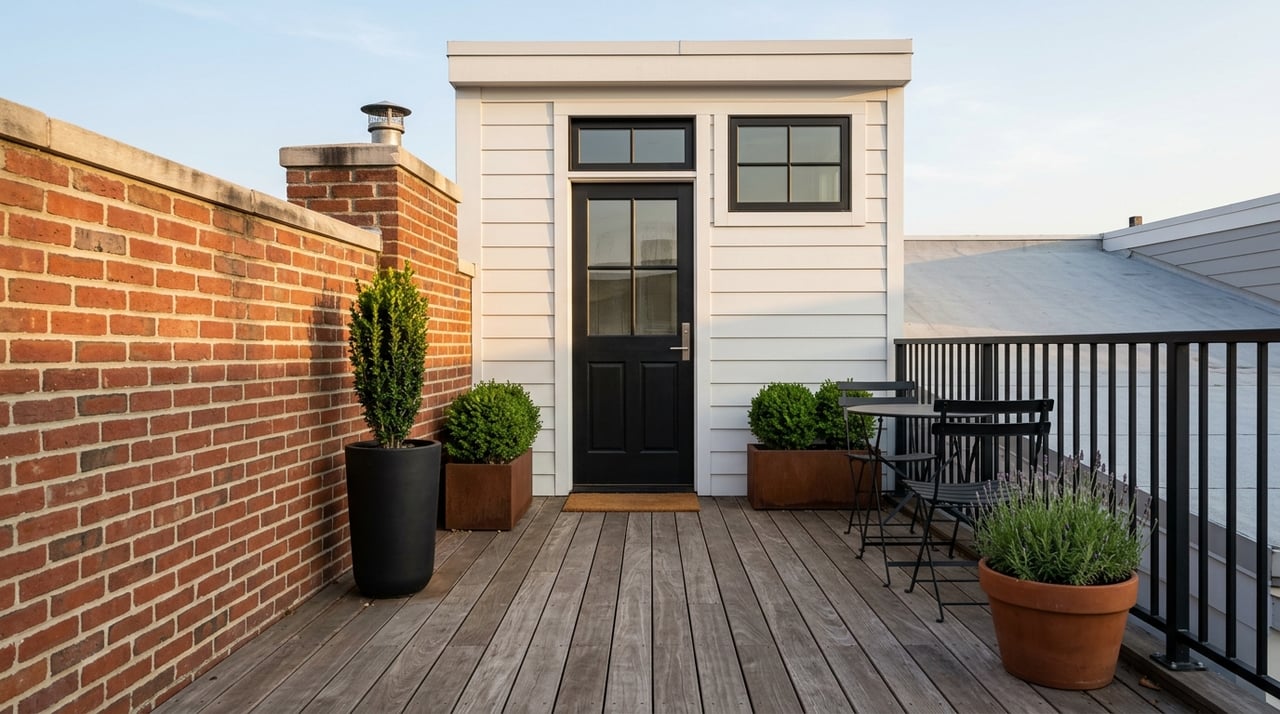
Decks are not permitted. Raised porches may be allowed with approval, which creates a very different planning path for outdoor living than in many other neighborhoods.
Hardscape changes also require approval. The standards favor exposed aggregate concrete, natural brick, cobblestones, or tinted concrete for driveways.
Asphalt and gravel are not allowed for driveways. For patios and paths, pavers and asphalt are also excluded, so material selection is more limited than many buyers expect.
Front-yard landscaping may not create visual barriers or interrupt vistas. Exterior lighting is also limited by brightness and color temperature.
Outbuildings other than garages are generally prohibited. Most signs require approval, and swimming pools are generally not permitted except in very limited cases.
Replacement shutters must be made of wood, fit the architecture of the home, and be hung on proper working hardware. They cannot simply be attached directly to the siding.
Details like this show how seriously Homeland treats architectural consistency. For sellers, those details can also become part of pre-listing preparation.
One of the most important things to understand is that Homeland approval does not replace Baltimore City permitting. The Association states this clearly, and Baltimore City separately requires permits for many types of exterior work, including fences, windows, pools, sheds, and similar projects.
The city also says the property owner is responsible for obtaining the permit, even when a licensed contractor is doing the work. That can be easy to overlook if you assume your contractor is handling every step.
Permits matter beyond compliance. Baltimore City notes that permits can help protect home value because they provide proof to future buyers that work was completed safely and correctly.
If a project is approved in Homeland, work must begin within one year. If your plans change later, any revision to materials or design must be submitted again for approval.
That structure can affect renovation timelines, especially if you are coordinating contractors, financing, or a move. It is wise to build extra lead time into your schedule.
Homeland also has a due-process policy for alleged violations. According to the Association, it may investigate, send written notice, set a deadline to remedy the issue, file a statement of covenant violation in the land records, and seek injunctive relief or damages if needed.
Another key point is that the Association says it does not grandfather violations. If a feature exists today but does not conform, that does not mean it will be approved for future replacement.
Homeland can be an excellent fit for buyers who value neighborhood continuity and historic character. It may be a less comfortable fit if your wish list includes exterior features that conflict with the standards.
The Homeland Association recommends reviewing the covenants and architectural guidelines before purchase. It also recommends asking the seller for a letter confirming there are no outstanding covenant issues, since the Association does not provide those letters to buyers or buyers’ agents.
This is where pre-offer clarity matters. If you know you want a pool, deck, vinyl windows, or an asphalt driveway, those goals should be part of your screening process before you move forward.
If you are selling a home in Homeland, preparation matters. Buyers who understand the neighborhood often ask detailed questions about past work, approvals, and whether any current features may raise covenant concerns.
Maryland’s HOA resale disclosure requirements include current fees, delinquencies, management contact information, and any known pending claims, covenant-violation actions, or notices of default against the lot. Having organized records can help your transaction move more smoothly.
It is also helpful to review any exterior changes made during your ownership. If you replaced windows, altered hardscaping, repainted, added fencing, or changed landscaping, you may want to gather your paperwork well before listing.
Some Homeland owners may have access to a meaningful incentive for approved rehabilitation work. Because Homeland lies within the Greater Homeland Historic District, the Maryland Historical Trust says certain single-family, owner-occupied certified historic structures may qualify for a state income tax credit equal to 20% of eligible rehabilitation expenses, capped at $50,000 in a 24-month period.
That said, there are limits. The Maryland Historical Trust says work must be approved before it starts, and projects primarily involving remodeling, new additions, patios, parking areas, or landscaping typically do not qualify.
It is also important to know that this review is separate from local review. Even if a project may qualify for a tax credit, Homeland approval is still required for exterior changes, and Baltimore City permits may still be needed.
In Homeland, neighborhood character is not just marketing language. It is supported by clear standards, a formal review process, and an expectation that owners maintain both their homes and the larger streetscape.
For buyers, that means looking beyond charm and asking practical questions about what ownership will allow. For sellers, it means presenting your home with strong documentation and a clear understanding of how its features align with current standards.
When you work through those details early, you are in a much stronger position to move forward with confidence. If you are thinking about buying or selling in Homeland and want tailored guidance on how covenant and historic context may affect your next move, Elise Brennan can help you navigate the process with clear, neighborhood-specific advice.
Experience unmatched dedication, market expertise, and a personalized approach to buying or selling your home. Since 2012, she has built a trusted reputation in the Baltimore metro area, forging strong community connections and delivering proven results. Whether you’re a buyer or seller, She combines strategic insight, local knowledge, and exceptional service to achieve your real estate goals.