Relocating to Mount Vernon Baltimore: What to Know
May 14, 2026
May 14, 2026
Thinking about a move to Baltimore and wondering which neighborhood will make daily life easier, more connected, and more interesting? Mount Vernon stands out for a reason. If you want a historic urban setting with strong transit access, a wide mix of housing, and some of the city’s most recognizable cultural landmarks, this neighborhood deserves a close look. Here’s what you should know before you make the move.
Mount Vernon sits just north of downtown Baltimore and roughly ten blocks north of the Inner Harbor, which puts you close to major employment centers, cultural institutions, and transit connections. Baltimore planning documents describe it as an urban neighborhood with educational, cultural, and commercial anchors, and local neighborhood data points to a setting that is walkable, lively, historic, and commuter-friendly.
For many relocation buyers and renters, that combination is the biggest draw. You get a neighborhood that feels established and architecturally rich, while still offering the practical benefits of central-city living. If you are moving for a university, medical, or professional role, that balance can make the adjustment to Baltimore much smoother.
Mount Vernon is best understood as a transit-rich, low-maintenance urban neighborhood with a strong cultural identity. It is not just a place to sleep near downtown. It is a neighborhood where parks, museums, performance venues, cafes, and historic streetscapes are part of your regular routine.
Local sources describe the area as more institution- and park-centered than Fells Point, more classical and civic in tone than Station North, and more everyday residential than Federal Hill. That does not make one area better than another. It simply helps you understand the kind of lifestyle Mount Vernon tends to support.
If your ideal day includes walking to coffee, passing historic architecture on the way to work, and having arts and green space close to home, Mount Vernon may feel like a natural fit.
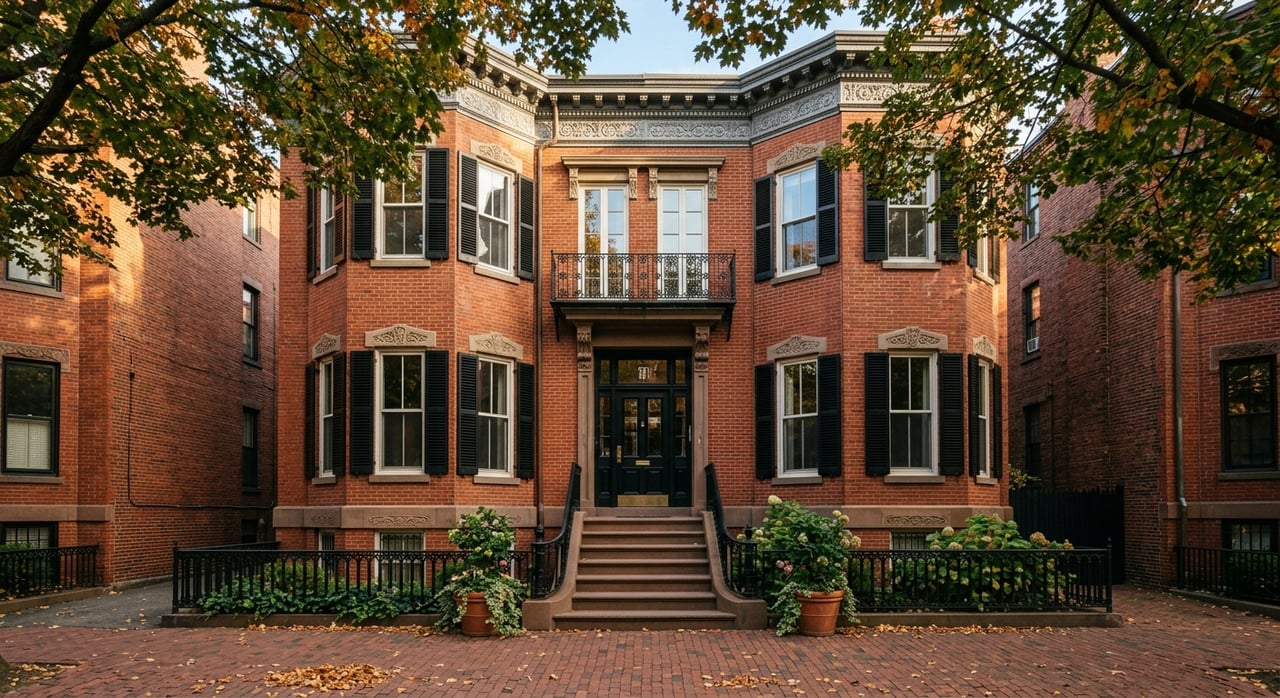
One of Mount Vernon’s strengths is its range of housing types. Local neighborhood profiles list condominiums, rowhomes, and apartment buildings, with a broader mix that includes Victorian rowhomes, carriage houses, condos, apartments, and several high-rises.
That variety gives newcomers options. You may find a classic historic residence with original character, a condo with simpler upkeep, or an apartment that makes it easier to get settled before making a long-term decision. For relocation clients, that flexibility can be especially helpful when timing, commute, and lifestyle all need to line up.
Mount Vernon Place Historic District is a National Historic Landmark centered on the Washington Monument and the four surrounding parks. The broader local historic district covers roughly 40 blocks and includes mansion houses, townhouses, early luxury apartments, commercial buildings, religious structures, civic buildings, and monuments.
Architecturally, the neighborhood spans a wide range of styles, including Greek, Gothic, Renaissance Revival, Second Empire, Italianate, Queen Anne, and Richardsonian Romanesque. In practical terms, that means your home search here often involves more than square footage and bedroom count. You are also weighing building style, block feel, updates, and how much historic character you want to maintain.
When you research home prices in Mount Vernon, you may see more than one number. Live Baltimore’s neighborhood profile lists an estimated median home purchase price of $329,500, while its 2025 neighborhood sales report lists a median sale price of $294,000 across 25 sales.
Those figures come from different methods, so it is better to treat them as a range of useful reference points rather than one definitive number. If you are relocating, the most helpful approach is to compare current listings, recent comparable sales, and the specific property type you want, since a condo and a historic rowhome can perform very differently.
Mount Vernon has a heavily renter-oriented profile, with local neighborhood data estimating about 15% owner occupancy and 85% renter occupancy. Estimated monthly rent is listed at $1,320, though actual pricing will depend on unit size, building type, and location within the neighborhood.
That renter-heavy mix can be useful if you are moving on a tight timeline and want to learn the area before buying. At the same time, buyers who want a central location with architectural character may find ownership opportunities in condos and rowhomes that are harder to duplicate in other parts of the city.
Mount Vernon scores exceptionally well for daily mobility. Local neighborhood data gives it a Walk Score of 99, a Bike Score of 78, and a Transit Score of 100.
Those numbers reflect what many residents notice right away. Errands, dining, arts venues, and public spaces are close together, and the neighborhood connects well to the rest of the city. If you prefer a more walkable lifestyle or want to reduce your dependence on driving, Mount Vernon is one of the stronger options in Baltimore.
The MTA Light RailLink stops at Mt. Vernon at Centre Street, and nearby access points also include Penn Station. The Charm City Circulator’s Purple Route includes stops at the Washington Monument, Penn Station, the Mount Vernon and North Avenue area, and the Charles Street corridor.
For newcomers, that means commuting options are not limited to one route or one station. Depending on where you work, you may be able to combine walking, rail, and circulator service in a way that simplifies your day-to-day schedule.
Mount Vernon is widely recognized as one of Baltimore’s cultural centers. Local institutions in and around the neighborhood include the Walters Art Museum, Meyerhoff Symphony Hall, the Lyric Baltimore, Center Stage, and the Maryland Center for History and Culture.
Peabody also notes more than 35 cafes and restaurants, more than 100 shops, tree-lined parks, and nearly 1,000 performances a year in its six halls. That concentration of arts and activity gives the neighborhood a distinct rhythm. Even if you are not attending performances every week, the presence of these institutions shapes the feel of the area.
The Washington Monument and the surrounding squares are more than a backdrop. They are a defining part of Mount Vernon’s identity. The Mount Vernon Place Conservancy manages the monument and surrounding squares through a public-private partnership with the City of Baltimore and programs free concerts, film screenings, arts and fitness classes, Flower Mart, and Monument Lighting events.
The Conservancy also states that it is working to make the squares more attractive, safer, accessible, and sustainable, including added sidewalks and curb cuts. If public green space matters to you, this is an important part of the neighborhood’s appeal.
Mount Vernon’s historic feel is not accidental. Baltimore’s zoning overlay for the area includes neighborhood-specific height limits and prohibits new principal-use surface parking lots, helping preserve the district’s urban form.
That matters for newcomers because it supports a more consistent streetscape over time. The city’s planning documents also note that many historic structures have been adapted for a lively mix of residential, restaurant, office, retail, and institutional uses. In other words, Mount Vernon has kept its character while continuing to function as a living neighborhood.
Mount Vernon can be a strong match if you want:
It may be especially appealing if you are relocating for work tied to Baltimore’s medical, university, or professional sectors and want a neighborhood that is connected, recognizable, and relatively easy to navigate as a newcomer.
As with any relocation, fit matters more than hype. Mount Vernon offers convenience, culture, and historic character, but the right home will depend on your priorities, budget, commute, and comfort with urban living.
A smart move is to look at both the neighborhood and the specific property type that matches your lifestyle. A high-rise condo, a historic rowhome, and a rental apartment can all deliver very different day-to-day experiences, even within the same few blocks.
If you are planning a move to Baltimore and want help comparing Mount Vernon with other nearby neighborhoods, working with a local advisor can make the process much more efficient. Elise Brennan offers thoughtful, neighborhood-specific guidance for relocation buyers who want clear answers, strong local context, and a smoother path to finding the right fit.



Experience unmatched dedication, market expertise, and a personalized approach to buying or selling your home. Since 2012, she has built a trusted reputation in the Baltimore metro area, forging strong community connections and delivering proven results. Whether you’re a buyer or seller, She combines strategic insight, local knowledge, and exceptional service to achieve your real estate goals.